


Every crane pick on a South Texas job site carries a risk that no amount of scheduling optimization or preconstruction planning can eliminate on its own. Crane safety training is the operational discipline that helps close the gap between a lift plan on paper and safe execution in the field. For contractors working industrial, infrastructure, and military-adjacent projects across the San Antonio metro, the I-35 and I-10 corridors, and the broader South Texas market, this guide is designed to help you decide whether your crew’s training is current enough for the lifts you are bidding and building today.
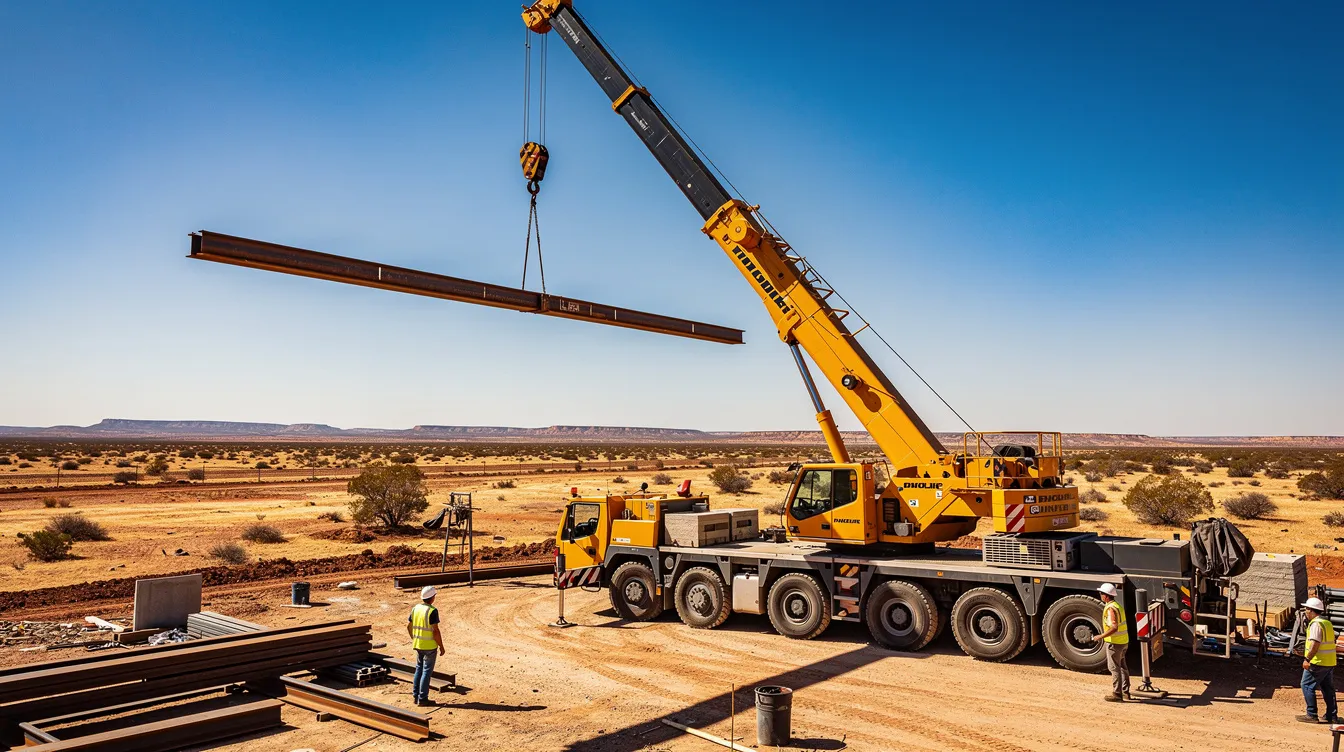
Why Crane Safety Training Must Keep Pace on South Texas Jobsites
The lifts your crews are executing now often look different from the ones they trained for several years ago. Digital lift plans, mobile documentation apps, 3D site models, and radius overlays are changing how work gets sequenced before the crane even arrives on site. Tighter project schedules and compressed laydown areas mean less room for error and more coordination across trades.
South Texas contractors feel that pressure acutely. Industrial expansion along the I-35 and I-10 corridors, healthcare facility construction, data center work, and military-adjacent projects around Joint Base San Antonio can all involve lifts that are more complex, more closely documented, and less forgiving of communication failures than routine commercial picks.
Proper crane safety training can help reduce incidents, improve consistency in the field, and support cleaner inspections and better documentation. Just as important, it gives operators, signal persons, riggers, and supervisors a shared playbook when conditions change fast on site.
What OSHA Actually Expects From Crane Operators and Signal Persons
OSHA’s Cranes and Derricks in Construction standard, Subpart CC, sets the regulatory floor for crane operations on construction sites. For contractors reviewing crane safety training needs, four areas matter most: operator training, certification or licensure where required, employer evaluation, and signal-person qualification.
Under 29 CFR 1926.1427, employers must ensure that each crane operator is trained, certified or licensed, and evaluated before independently operating covered equipment. That section also addresses operators-in-training and the conditions under which they may operate while being trained.
Under 29 CFR 1926.1428, signal persons must meet qualification requirements before giving signals on a job site. If later performance shows the person no longer meets those requirements, the employer must remove that person from signal duties until retraining and reassessment are complete.
Under 29 CFR 1926.1430, employers must train signal persons who do not already meet the qualification requirements and must train operators on the safe operation of the equipment they will use. OSHA’s Subpart CC overview also highlights related requirements for multiple-crane lifts and other specialized situations.
Operator Certification, Evaluation, and Documentation
Crane operator qualification in construction is more than holding a card. In practice, contractors need to think about three separate questions:
- Is the operator properly certified or licensed as required?
- Has the operator been trained for the equipment and tasks involved?
- Has the employer completed and documented the required evaluation?
Texas does not maintain a separate statewide crane operator licensing program for construction, so employers here typically work within OSHA’s federal framework and commonly use accredited third-party certification pathways or other OSHA-recognized options.
For employer evaluations, the documentation should record:
- The operator’s name
- The evaluator’s name and signature
- The date of evaluation
- The make, model, and configuration of the equipment used in the evaluation
That is a key distinction for contractors: OSHA ties make, model, and configuration directly to the employer’s documented evaluation, not to a blanket claim that the operator’s certification card must list the exact make and model in service on every job.
Effective crane safety training also goes beyond operator credentials. Signal persons need documented qualification. Riggers should be trained and qualified for the tasks they perform. When new equipment, site conditions, or lift types are introduced, employers should review whether refresher training and a new evaluation are needed before work begins.
How Digital Lift Planning Changes Crane Operations and Training
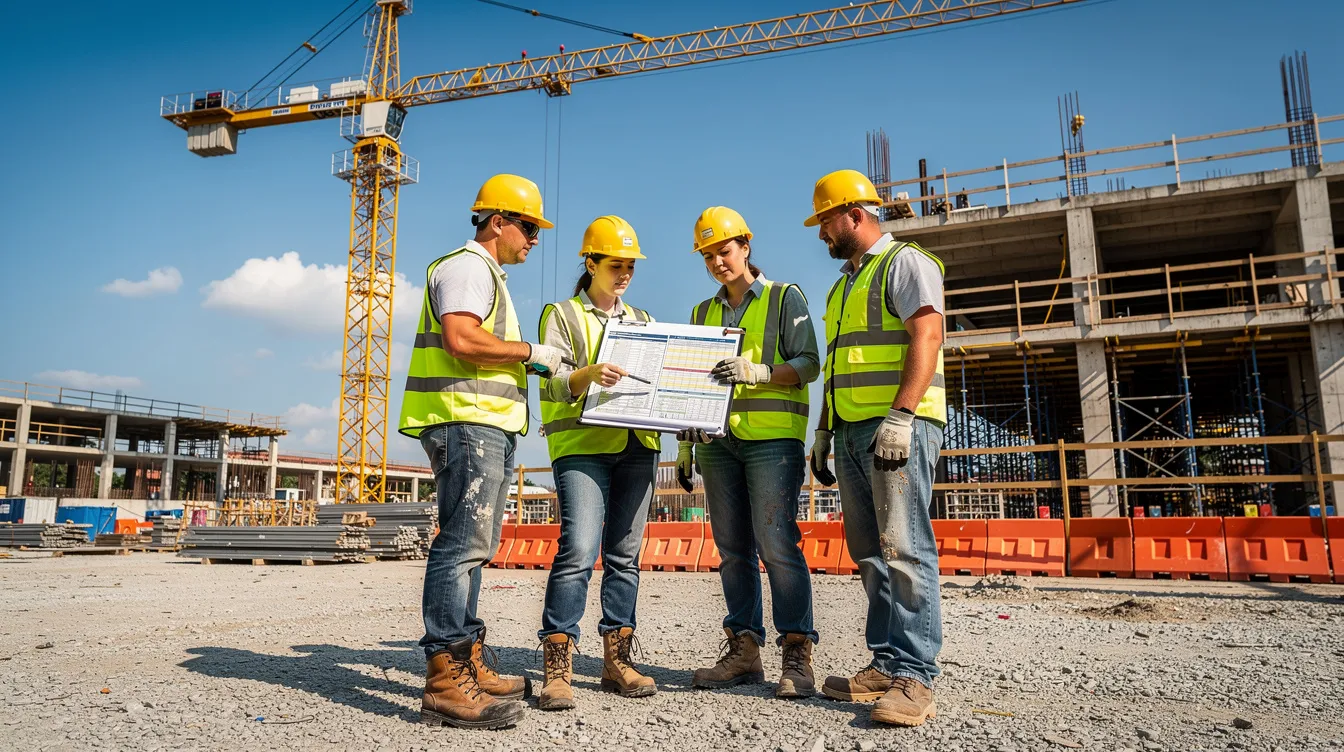
Digital lift plans, mobile apps, 3D terrain models, and radius overlay tools are becoming common on complex South Texas projects. These tools can improve pre-lift coordination, but they also raise the bar for what crews need to understand before the lift starts.
Consider the field reality:
- Blind lifts require the operator to rely on qualified signal persons or approved communication methods because the load path is not visible from the cab.
- Multiple-crane lifts require tighter coordination, shared understanding of the lift sequence, and supplemental planning under Subpart CC.
- Confined laydown areas near active operations or existing plant equipment shrink the margin for boom swing and require disciplined load-chart use and site coordination.
When crews interpret digital plans instead of relying only on field judgment, training must cover more than basic controls. It should address communication protocols, load-path review, hazard recognition, changing ground conditions, weather effects, and the limits of the specific equipment being used.
Technology can improve planning, but it does not remove the need for role clarity. If anything, digital tools make it more important that operators, signal persons, riggers, and supervision all understand who has authority to direct the lift, who can stop it, and what changes trigger a reset before continuing.
A South Texas Decision Checklist for a Crane-Training Refresher
Use this checklist to decide whether your crew needs a crane safety training refresh before the next complex lift:
| Question | If Yes, Action Required |
|---|---|
| Has new equipment or a new control interface been introduced since the last evaluation? | Schedule equipment-specific training and a new employer evaluation as needed |
| Has crew composition changed with new operators, signal persons, riggers, or subcontractors? | Verify qualifications and run a joint pre-task briefing |
| Are you performing a lift type the crew has not done before, such as a blind lift, multiple-crane lift, or personnel hoisting operation? | Provide task-specific training and planning before mobilization |
| Is the operator properly certified or licensed where required and documented as evaluated for the equipment configuration to be used? | Confirm records before the lift |
| Does each signal person have documented qualification for the signal method being used, such as hand signals or radio? | Reassess and document before the lift |
| Do you have a written lift plan with site-specific hazard controls? | Complete the plan and review it with all key roles |
| Will an operator-in-training be involved? | Assign qualified supervision and verify training conditions are met |
Your refresher should also cover emergency stop procedures, evacuation routes where relevant, load-loss response, and the crew’s ability to read and apply the load chart for the actual equipment in service. If your lift depends on site-specific rigging gear, confirm that identification and capacity information remain legible and usable before the work starts.
Turning Training Into Safer Crane Operations in the Field
Crane safety is not a certificate hanging on the wall. It is an operational discipline built into every lift. Here is how to make crane safety training stick in the field:
- Pre-task lift reviews: Require a documented briefing before every complex lift. Include the operator, signal persons, riggers, lift supervision, and the superintendent or project manager as appropriate. Review the lift path, likely hazards, signal method, ground conditions, and the load chart.
- Single signal authority: Designate one qualified signal person when the lift requires signaling. Conflicting direction during a pick can create immediate risk.
- Stop-work authority: Every worker on site should be expected to stop a lift if something looks wrong. That expectation only works if supervision backs it up in practice.
- Bilingual briefing protocols: South Texas crews often include English- and Spanish-speaking workers. Conduct lift briefings in the languages your crew actually uses, and verify that hand signals and radio phrases are understood consistently.
That field discipline matters just as much as the formal course. Even a well-trained crew can drift into shortcuts if schedules tighten, site congestion increases, or new subcontractors join the work without a shared lift process.
Power Lines, Ground Conditions, and Other High-Consequence Hazards
Refresher training should cover the hazards most likely to produce severe outcomes. At minimum, every crane safety training review should address:
- Power lines: Contact with energized lines can be fatal. Crews need to understand minimum clearance rules, exclusion zones, and when additional planning or spotters are required.
- Overloading: Crews must verify load weight, lift radius, configuration, and lift conditions against the applicable load chart. Assumptions here can turn a manageable lift into a structural or stability event.
- Ground conditions: Soft, uneven, or unstable ground can compromise crane stability. Review ground conditions during planning and again before the lift begins.
- Falling loads or debris: Load securement, proper rigging selection, and exclusion-zone control all matter before the hook ever leaves the ground.
- Wire rope and visible equipment condition: Crews should inspect for obvious damage, deformation, corrosion, or other conditions that require attention before operation.
These are not abstract classroom topics. They are the issues most likely to stop a South Texas job, injure a worker, or trigger a regulatory and insurance problem that follows the contractor long after the lift is over.
Documentation and Recordkeeping: What to Keep Close
For construction crane work, documentation needs to be accessible and organized, not buried in a trailer file box after mobilization. At a minimum, contractors should be ready to produce:
- Operator certification or licensure records, where applicable
- Employer evaluation records showing the operator, evaluator, date, and equipment make, model, and configuration used
- Signal-person qualification records identifying the methods the person is qualified to use
- Lift plans and related site-specific hazard controls for complex picks
- Inspection and maintenance records required by the employer, manufacturer instructions, project rules, or applicable OSHA provisions
Inspection obligations vary by equipment condition, use, and circumstance, so avoid treating crane inspection as a one-size-fits-all paperwork exercise. Operationally, what matters is that pre-use checks happen, required inspections are documented, and records are retained in a way that meets both OSHA and any owner, federal, or project-specific requirements.
If your company performs both construction and general industry work, make sure your teams know which OSHA framework applies to the operation at hand. That distinction affects more than citations; it affects training assumptions, documentation, and who on the job thinks they are covered by which rules.
What ABC South Texas Members Should Do Next
If you have a complex lift coming up, now is the right time to act.
- Audit your current records. Pull every operator and signal-person file. Confirm certification or licensure status where required, verify documented employer evaluations, and check that signal-person qualifications are current and readable.
- Review your training calendar. ABC South Texas offers education and training programs through its Contractors Apprenticeship Trust and broader training efforts, including safety and task-specific education. The chapter has also previously listed crane, rigging, and signaling training on its public calendar. Review current offerings and availability before your next mobilization.
- Connect lift readiness to your broader safety system. Tie crane safety training into your company’s larger safety process, including supervisor accountability, refresher planning, and field communication. For members already focused on structured safety improvement, STEP-related safety discipline is a logical place to connect crane readiness with the rest of the job.
- Run the checklist on one upcoming lift. Use the decision checklist above on the next complex pick and close the gaps before the crane arrives on site.
Crane safety training is not a compliance exercise you complete once and file away. It is a working discipline that protects your people, your company, and your ability to compete on the projects shaping South Texas.
Appendix: Sample Checklists and Field Audit Tools
Operator Evaluation Template (On-Site Use)
| Field | Required Entry |
|---|---|
| Operator name | Full legal name |
| Evaluator name and signature | Qualified evaluator |
| Date of evaluation | Current date |
| Equipment make | Manufacturer name |
| Equipment model | Specific model designation |
| Equipment configuration | Boom type, attachments, capacity class, or other relevant setup details |
| Practical evaluation completed | Yes / No |
| Additional equipment-specific training needed | Yes / No, with notes |
| Restrictions or limits noted | Yes / No, with notes |
Signal Person Qualification Checklist
- [ ] Knows and understands standard hand signals used for the work
- [ ] Can apply signals competently for the lift type involved
- [ ] Understands relevant crane dynamics, including load swing and boom deflection
- [ ] Passed required testing or assessment process
- [ ] Documentation identifies the signal methods qualified for, such as hand or radio
- [ ] Job-site communication protocol confirmed
- [ ] Qualification assessed by an appropriate evaluator
Quick Lift-Plan Checklist for Mobilization Reviews
- [ ] Written lift plan completed for the work scope
- [ ] Load chart reviewed for the actual equipment and conditions
- [ ] Ground conditions evaluated and documented
- [ ] Power-line proximity assessed and controls established if needed
- [ ] Rigging equipment identified and visually checked before use
- [ ] Qualified signal person assigned where signaling is required
- [ ] Operator documented as evaluated for the equipment configuration in use
- [ ] Emergency procedures reviewed with the crew
- [ ] Bilingual briefing conducted where applicable
- [ ] Pre-lift meeting completed with all key roles present
- [ ] Stop-work authority communicated to the crew
The next complex lift on your schedule is the right place to start. Audit it against these tools, close the gaps, and make sure every operator, signal person, and rigger on your South Texas job site is ready before the crane starts moving.


