


Key Takeaways
- August 2026 national construction input prices rose roughly 1.2% month over month and nearly 9% year over year, turning industrial procurement into a frontline margin issue for South Texas contractors.
- Longer freight routes, compressed schedules, and stacked industrial work in San Antonio and along I-35/I-10 amplify material price jumps into cost overruns that exceed national averages.
- Escalation clauses, tighter quote-expiration tracking, disciplined buyout timing, and structured estimator-to-PM handoffs protect margin on industrial, healthcare, and data center work.
- South Texas leaders should review current bid language and procurement processes within 30 days, using ABC South Texas resources and market updates to stay ahead of the next price move.
Introduction: Why Industrial Procurement Is Now a Margin Problem, Not Just a Purchasing Task
ABC’s September 10, 2026 analysis of August Producer Price Index data, reported by Construction Executive, confirmed what South Texas contractors already feel: construction input prices climbed again, roughly 1.2% month over month, with nonresidential inputs up about 8.8% year over year. For firms bidding industrial, logistics, healthcare, infrastructure, and data center work across the San Antonio metro and surrounding corridors, the numbers translate into real money leaking from already thin margins.
Industrial procurement is the end-to-end process that covers planning, sourcing, and buying materials and equipment for complex construction projects. It is essential for managing supply chain risks and optimizing costs across every phase of delivery. Procurement strategies directly influence business profitability and operational continuity, and decisions also shift with broader economic conditions that affect pricing, availability, and continuity. Procurement connects an organization with its suppliers, affecting both cost and quality of finished work. Supply chain management encompasses procurement from sourcing through delivery, and in this market, every missed quote, untracked expiration, or slow buyout in San Antonio can wipe out margin on design-build and fast-track jobs.
ABC South Texas covered the July price signal and tariff shift planning earlier this year. This August briefing is the next step: not just “what prices did,” but how estimators, project managers, executives, and procurement leads working across the I-35 and I-10 corridors in the chapter’s 22-county footprint must change behavior now.
The August 2026 Materials-Price Signal: What Actually Changed
The August 2026 Construction Executive report, based on ABC’s analysis of BLS data, showed nonresidential construction input prices rising about 1.2% month over month and roughly 8.8% year over year. Several categories that matter most for industrial work exceeded the 10% year-over-year threshold:
- Iron and steel, switchgear, copper wire and cable, and several derivative metal products all crossed the 10% YoY mark. Steel mill products rose approximately 22.5% year over year as of mid-2026. Steel prices are 65.1% higher than January 2020 levels. Copper and brass mill shapes increased 18% to 27%, and aluminum mill shapes climbed 40% to 48%.
- Lumber and plywood rose about 9.9% year over year, a more moderate figure compared to the period when lumber prices rose over 300% during 2020 and 2021. Ready-mix concrete prices increased 11.2% in 2023, and the category remains elevated. Gypsum prices decreased 2% in 2023 after a 44.6% increase, showing how individual materials can diverge from headline trends.
- Building material prices grew more than 5% in 2018 due to trade disputes, and current tariff exposure on steel, aluminum, and copper is pushing similar dynamics, now at a larger scale.
Energy inputs behaved unevenly: crude petroleum rose about 5.2% in August, unprocessed energy materials added 1.5%, and natural gas fell 11.6%. But diesel fuel surcharges and asphalt costs still feed into delivered material prices for South Texas projects, regardless of the natural gas drop.
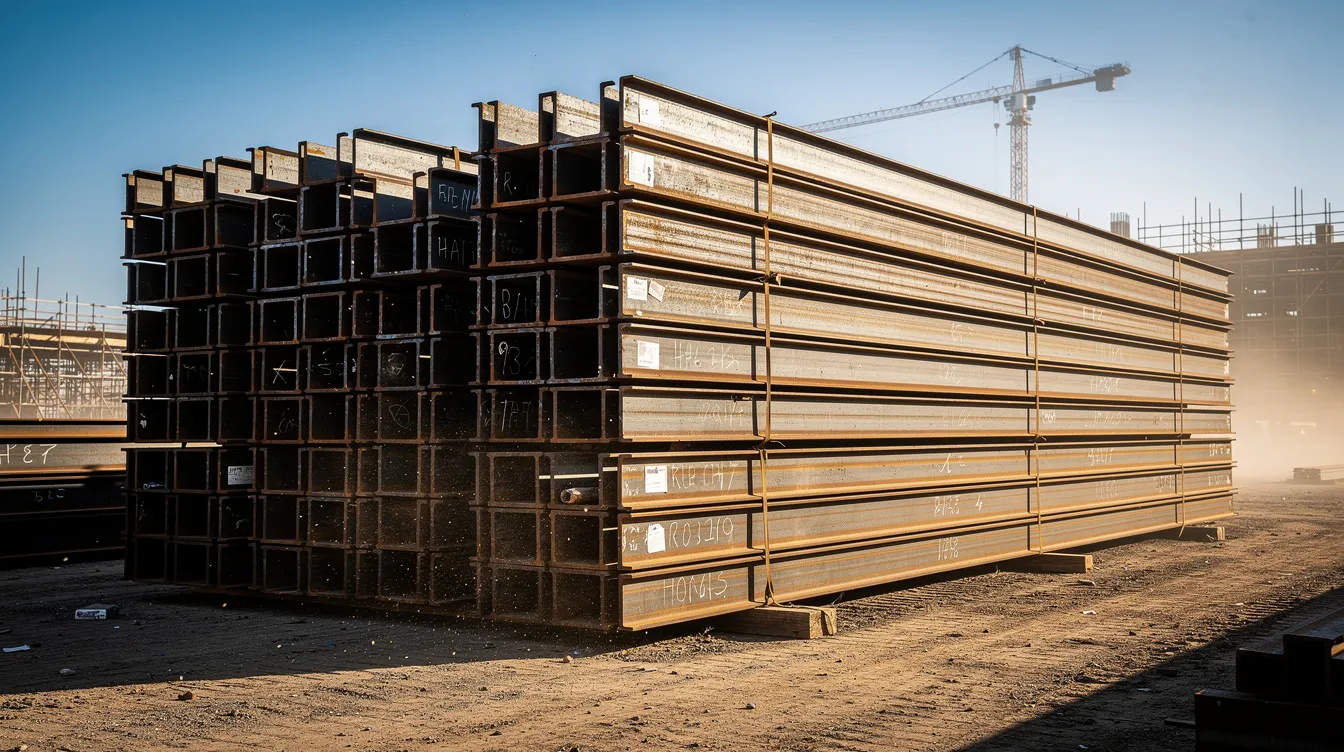
Volatile items like electrical gear and structural steel affect construction projects with long procurement cycles. Data center campuses, hospital expansions, wastewater plants, and manufacturing facilities all carry procurement timelines measured in quarters or years. National averages, though, understate the real pain for contractors buying and installing materials in South Texas heat, on congested corridors, with multiple large contracts running at once.
Why South Texas Industrial Margins Get Hit Harder Than the Average Bid
A 9% national input-price increase does not land evenly. For San Antonio and corridor contractors, the effective hit grows once freight, transportation, related services, labor, and schedule pressure are layered on.
- Freight and logistics. Longer hauls from Gulf ports and inland mills to I-35/I-10 industrial sites add fuel surcharges and handling costs that early estimates rarely capture. Global shipping freight rates have doubled in some Asia-to-U.S. corridors, and diesel costs feed those surcharges into every truckload of steel, concrete, and equipment delivered to a South Texas jobsite.
- Stacked construction projects. Contractors often run overlapping jobs in San Antonio, New Braunfels, Seguin, and Corpus Christi. A mispriced material package on one project multiplies across several active fronts, compounding the margin hit.
- Heat and productivity. Extreme South Texas heat reduces daily output, extends installation durations for mechanical and electrical work, and increases the likelihood that material quotes will expire before field use. These delays compound delivery-schedule risk and multiply cost risk.
- Tight competition. Open, merit shop competition keeps margins thin. Firms that don’t actively manage industrial procurement risk are the first to feel profit fade and cash flow pressure.
Consider the difference: a general contractor bidding an industrial shell in the Midwest might plan for a 60-day quote validity and moderate freight. The same scope along I-35 near San Antonio requires managing 45- to 60-day regional metal inventories (versus pre-2024 norms closer to 90 days), longer freight lead times, higher labor rates for electrical and pipefitting trades, and summer heat that compresses productive work hours. The gap between national data and actual costs on a South Texas job can be the difference between profit and loss.
Corridor Realities: How I-35 and I-10 Shape Industrial Procurement Risk
The I-35 and I-10 corridors are the spine of South Texas industrial, logistics, and data center growth. Prior coverage of the I-35 industrial outlook and I-35 corridor strain provides background on the pipeline. The procurement angle adds a layer that previous articles did not cover in detail.
- Construction traffic and hauling disruption. Active TxDOT expansion and repair work on I-35 and I-10 through San Antonio disrupts hauling patterns for heavy materials, increases delivery uncertainty, and can force premium freight charges.
- Nearshoring and cross-border trade. More freight flowing through Laredo, San Antonio, and up I-35 competes for trucking capacity and warehouse space, increasing lead times and demanding earlier material commitments from contractors.
- Corridor-specific project types. Distribution centers, cold storage, data center campuses, and industrial parks line these corridors. Their large steel, concrete, and MEP packages are especially exposed to material price swings. Data centers may require up to 100,000 megawatts of power, and the scale of electrical procurement on those jobs makes even small percentage swings costly. Procurement risk management involves identifying geopolitical and operational risks, and corridor work concentrates those risks.
- Community and regulatory friction. Community pushback can delay data center projects by 6 to 18 months. Community opposition often arises before construction begins, and local actions have real impact: San Marcos banned data centers due to energy and water impacts, and Hays County has restricted data center land uses in some city limits. These delays stretch the gap between bid day and material release, amplifying escalation exposure.
- Military and public projects. Joint Base San Antonio and regional infrastructure jobs often require stricter submittal and approval cycles, stretching the time between bid day and material release and heightening escalation risk on contractors who cannot pass through cost increases.
Compare a 100,000-square-foot warehouse just off I-35 near San Antonio, requiring structural steel, heavy MEP, and site concrete, with a smaller interior renovation in town. The corridor project faces longer hauls, more schedule uncertainty from traffic and permitting, and greater supplier competition from neighboring larger projects. The renovation has shorter lead items, less freight exposure, and faster buyout cycles. That contrast explains why corridor industrial work demands a higher level of procurement discipline.
Project Types Most Exposed: Industrial, Healthcare, Infrastructure, and Data Center Work
Not all construction projects feel materials escalation equally. In South Texas, certain scopes carry the most industrial procurement risk.
- Industrial and manufacturing facilities. Large structural steel frames, heavy process piping, tankage, and specialty equipment define these jobs. One missed steel or piping buyout can erase profit on an entire project.
- Healthcare construction. Hospitals, medical office buildings, and lab renovations in San Antonio rely on long-lead mechanical, electrical, and life-safety systems with strict specifications that limit substitution flexibility. Switchgear lead times run 41 to 69 weeks; large chillers can take 32 to 48 weeks.
- Infrastructure and utility projects. Wastewater plants, pump stations, and power-related scopes use customized pumps, switchgear, generators, and controls with quote-validity limits of 30 to 60 days. When quotes expire before release, the contractor bears the budget gap.
- Data center and mission-critical facilities. Thick electrical backbones, UPS systems, chillers, and high-density cabling turn even modest percentage increases in copper, steel, or switchgear into six- or seven-figure swings on larger projects.
- Design-build delivery. Design-build teams have more flexibility to re-sequence procurement, lock pricing earlier, and redesign around supply chain disruptions, but only if procurement is treated as a strategic function from day one rather than a back-office task.
Industrial Procurement Basics: Where Discipline Protects Margin
The core phases of industrial procurement run from early budgeting through buyout. Each phase connects directly to margin protection on South Texas jobs. Quality assurance ensures materials meet industry standards to prevent defects, and Total Cost of Ownership, which includes logistics, maintenance, and disposal costs, must factor into every sourcing decision.
- Pre-bid assumptions. Estimators should document baseline assumptions on material prices, freight, taxes, and contingencies. Estimating accuracy on steel, concrete, MEP gear, and specialty systems sets the floor for every downstream decision.
- Quote collection and leveling. Collect at least three qualified quotes on major packages. Clarify inclusions, exclusions, shipping, delivery windows, and duties. Avoid basing bids on low outlier quotes that suppliers cannot honor when it is time to release materials.
- Quote-expiration tracking. Set up tracking tools, whether spreadsheets or software, to capture quote dates, validity windows, and escalation terms for each supplier and subcontractor on active proposals. Missing a 30-day expiration on a switchgear package can create a six-figure budget gap.
- Estimator-to-PM handoff. A disciplined handoff includes a procurement log, risk notes on volatile commodities, and a clear plan for when to lock each major package. Without this, field teams get surprised by cost gaps after award.
- Procurement governance. Leadership should set thresholds for executive review on large buyouts or risky materials: major switchgear, generators, structural steel packages on multimillion-dollar industrial projects. Procurement connects the team to its suppliers and directly affects the cost and quality of the finished scope.
Contract Language That Shields South Texas Contractors From Cost Overruns
In volatile markets, contract terms are the first line of defense, not an afterthought. This is especially true on long-duration industrial and infrastructure work where the gap between bid and installation can span a year or more. Contract terms and payment flexibility help optimize cash flow in procurement strategies.
- Escalation clauses. Tie escalation to specific, recognized indices such as relevant Producer Price Index categories. Define triggers, documentation requirements, and cost-sharing arrangements with owners. Cost escalation claims should include detailed calculations, and claims must address qualitative and quantitative factors for resolution. A balanced claim provides necessary transparency for cost overruns.
- Bid validity windows. Set realistic bid-hold periods: 30 days on highly volatile electrical gear, 60 days on more stable packages. Open-ended commitments leave contractors absorbing late price jumps. Contractors should use accurate pricing data in claims and summarize macroeconomic changes against project milestones.
- Alternates and allowances. Build in owner-approved alternates for materials (alternative pipe materials, finishes) and allowances for items like switchgear or roofing if pricing is unstable at bid time. This contract language keeps bids competitive without hiding risk.
- Contingencies. Carry internal and owner-facing contingencies on high-risk scopes. Document the rationale so that project teams use them responsibly. On construction contract documents, make clear which contingencies cover material volatility versus scope changes.
- Alignment across contracts. Language must align across prime contracts, subcontracts, and purchase orders. Work with qualified counsel; this article does not constitute legal advice, but ignoring contract alignment means contractors absorb risks that clients and general contractors should share.
Buyout Timing: When to Lock Prices and When to Preserve Flexibility
Timing is the practical side of industrial procurement, and mis-timed buyouts are a common source of margin erosion in South Texas construction projects.
- Early lock for long-lead items. Lock pricing quickly for structural steel, major electrical gear, generators, and critical mechanical equipment once contracts are awarded and scope is clear. In Dallas-Fort Worth, one PEMB industrial shell project saved about $380,000 in holding costs by locking in pre-engineered metal panels early and hitting occupancy a month ahead of schedule.
- Staged commitments. Use phased releases or partial purchase orders for repeat materials (conduit, cable tray, concrete) on multi-phase construction projects along I-35/I-10. Balance volume discounts against price risk rather than committing the full plan at once.
- Schedule-driven procurement. Realistic construction schedules, especially in heat-prone months, must align with material delivery slots so price locks don’t expire before materials reach the site. Evaluating supplier reliability prevents costly production disruptions, and schedule misalignment is a leading cause of expired quotes.
- Supplier relationships. Supplier relationship management enhances collaboration and innovation. Cultivate trusted local and regional suppliers who will honor commitments, give early warning of price moves, and help secure allocations for high-demand items serving San Antonio, Corpus Christi, and Rio Grande Valley jobs.
- Coordination with design-build teams. On design-build projects, contractors can recommend spec adjustments or alternate products based on real-time supplier intelligence, but only if procurement is closely integrated into design decisions from the start.
Preventing Cost Overruns on Live South Texas Jobs in the Next 30 Days
This action checklist is for operations leaders, PMs, and estimators who already have work in progress or pending awards.
- Review open bids. Identify which active proposals rely on quotes older than 30 to 60 days, especially for steel, concrete, and MEP materials. Refresh pricing where exposure is greatest.
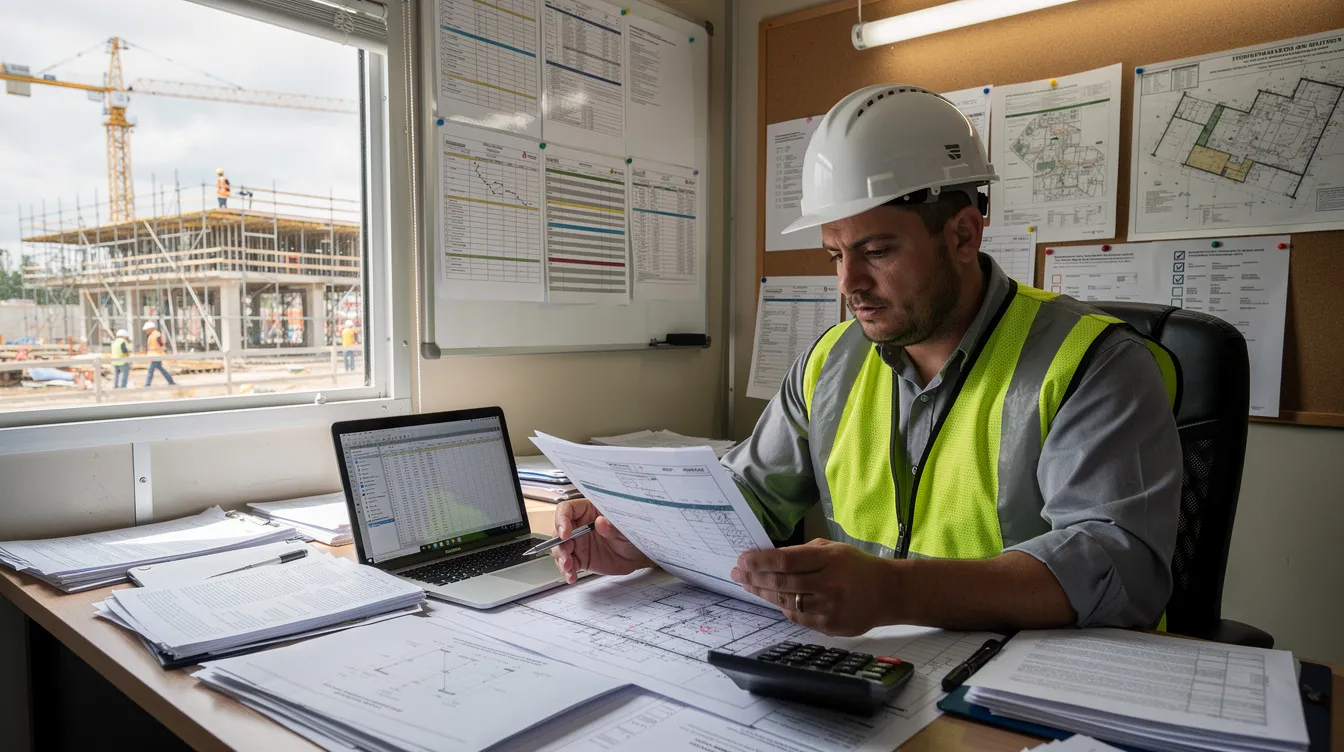
- Audit procurement logs. Confirm that every major package on currently awarded construction projects has a clear buyout date, confirmed supplier, and documented expiration and escalation terms. If the log does not exist, create one this week.
- Re-forecast job costs. Run updated cost-to-complete forecasts on industrial, healthcare, and infrastructure jobs using current material prices to reveal looming margin squeeze early. Identify the gap between budget and actual costs before it becomes a project delay crisis.
- Tighten change-order discipline. Document scope drift, material substitutions, and schedule impacts. Convert them into timely, well-supported change-order requests rather than hoping to recover margin later.
- Communicate with owners and general contractors. Start proactive conversations about material volatility and lead times. When August price data or new supplier notices indicate that prior assumptions are no longer valid, silence is not a strategy.
Strengthening Processes Beyond This Bid Cycle: Building a Procurement-Ready Organization
Industrial procurement discipline is an ongoing competitive advantage for South Texas merit shop contractors, not a one-month fix.
- Integrate procurement with cash flow and WIP tracking. More accurate buyout plans and material commitments improve cash flow projections, bonding capacity, and work-in-progress reporting. Economic factors influence procurement strategies such as dual-sourcing, and firms that track both pricing and cash position make better buyout decisions.
- Cross-train estimators, PMs, and field leaders. Schedule regular internal workshops where staff review recent pricing shifts, lessons learned from cost overruns, and updated standard language for bids and subcontracts. This development investment pays back on every future bid.
- Invest in technology and data. Technology integration in procurement enables real-time tracking and more efficient workflows. Implement or improve software that centralizes quotes, expirations, POs, and delivery tracking. Even basic tools create a difference in how quickly teams spot expired quotes or missed buyout windows.
- Connect procurement to safety and workforce. Fewer last-minute material scrambles reduce unsafe improvisation and overtime in extreme heat. Sustainability and ethical sourcing are critical considerations in procurement, and responsible sourcing practices support both safety compliance and project quality.
- Use ABC South Texas resources. Market updates, apprenticeship programs in Electrical, Plumbing, Pipefitting, Carpentry, and Sheet Metal, and leadership development through the chapter help contractors strengthen the people side of procurement and project delivery.
How ABC South Texas Supports Smarter Industrial Procurement
ABC South Texas serves as a hub for merit shop firms navigating volatile material prices, labor constraints, and complex industrial construction projects across the region.
- Market intelligence. Chapter briefings, economic updates, and articles on the July price signal, tariff-shift planning, and the I-35 industrial outlook help members assess data and adjust procurement strategies with current industry context.
- Training and apprenticeship. NCCER-aligned apprenticeship programs in Electrical, Plumbing, Pipefitting, Carpentry, and Sheet Metal build the skilled workforce needed to complete complex installations with efficiency once materials arrive on site.
- Leadership and operations education. Seminars, peer groups, and committee work expose estimators, PMs, and executives to methods and best practices from peers tackling industrial procurement, contract language, and risk management challenges across the construction industry.
- Safety and Total Human Health. STEP, OSHA training, and Total Human Health resources stabilize crews, reduce disruptions, and enable predictable installation schedules, all of which support procurement discipline by keeping projects on track.
Connect with ABC South Texas to review your current procurement and contract templates, attend the next markets or economic briefing, or explore membership if you are not yet part of the chapter. The next price move is a matter of when, not if.
FAQ: Industrial Procurement and South Texas Margin Protection
These questions expand on practical details for South Texas estimators, PMs, and executives managing procurement on active industrial, data center, healthcare, and corridor infrastructure work.
How often should South Texas contractors update their material price assumptions?
Update assumptions at least monthly for volatile inputs like steel, copper, and switchgear. Before every major bid on industrial or data center scopes, pull current supplier quotes and cross-reference them against ABC economic data and PPI reports. Relying on assumptions older than 30 days for metals or electrical gear creates measurable budget risk.
What is the best way to organize the procurement team on complex industrial construction projects?
Assign a defined lead, either the PM or a dedicated procurement manager, who owns the buyout plan and tracks all quote expirations. Estimators validate pricing, and field supervisors align delivery timing with installation sequences. Clear decision rights and weekly communication routines prevent the gaps where cost overruns develop.
How can smaller subcontractors improve their industrial procurement without a large back office?
Start with shared spreadsheets for tracking quotes, validity dates, and supplier contacts. Use standardized quote-request templates that specify freight, taxes, and inclusions. Build consistent relationships with a short list of trusted suppliers who serve the San Antonio and I-35/I-10 market, and use ABC South Texas education and networking to learn practices from larger firms.
Do design-build projects reduce procurement risk compared to traditional design-bid-build?
Design-build does not remove risk but can reduce it. Earlier collaboration among designers, contractors, and suppliers enables more realistic specs, earlier pricing locks, and proactive alternates when material prices spike. The benefit only materializes when procurement is integrated into design decisions from the earliest project phase.
What should contractors track after project closeout to improve future procurement decisions?
Capture final buyout prices versus estimate, major change orders tied to material costs, schedule impacts from late deliveries, and supplier performance on every completed project. Feed that data back into contingency models, preferred vendor lists, and bid assumptions for the next wave of construction projects. Firms that skip this step repeat the same margin erosion on every new job.


