


Material changes in construction fail most often not when the paperwork is signed, but when the first piece is installed. The change order is approved. The submittal is logged. The new product arrives on site. Then the crew installs it the same way they installed the old product, and by lunch, the superintendent is looking at cracked joints, pulled anchors, or a finish that does not match the spec.
This article is for South Texas commercial and industrial contractors who want to reduce rework when a material substitution, alternate, or revised specification hits an active jobsite. Whether the change comes from the owner, the design team, a supply chain disruption, or a value engineering decision, the operational problem is the same: material changes in construction often trigger a ripple effect across the project lifecycle, and the damage starts on day one.
The numbers speak for themselves. Rework costs can range from 2% to 20% of project costs, and 75% of US construction firms encounter rework twice a week. Material changes can affect project costs, completion dates, and quality. Under tight margins and compressed schedules common across San Antonio and the I-35 and I-10 corridors, a single botched first-day install can wipe out the savings the substitution was supposed to deliver.
ABC South Texas sees this pattern in member firms across the 22-county footprint: the material is fine, the approval is complete, but the field execution falls apart because no one treated the change as an operational event. This article breaks down what goes wrong, what to check before work starts, and how to keep a changed scope from becoming a budget and schedule problem.
What Actually Breaks When a Material Changes
Consider a common scenario. A contractor substitutes a different block system for the originally specified masonry on non-load-bearing infill walls. The new product is lighter, architect-approved, and less expensive. On day one, the crew starts laying it with the same mortar mix, anchor type, and joint detail they used on the last three projects. By midafternoon, anchors are pulling out of the softer substrate, joints are cracking, and the electrical crew behind the wall finds that conduit routing no longer lines up.
The block was not defective. The approval was valid. The process failed to connect the change on paper to the change in the field, turning an approved substitution into construction rework when field execution didn’t match the approved details. The main failure modes repeat across construction projects of every size:
- Incomplete handoff: the new material is approved via change order, but foremen and crews never receive updated submittals, cut sheets, or drawings.
- Wrong assumptions about compatibility: crews must comply with the new system requirements instead of reusing old adhesives, fasteners, and anchors by habit.
- Missing install tolerances: anchor spacing, joint widths, surface flatness, and curing requirements change with the new material but are never communicated.
- Lack of updated drawings: old shop drawings remain on the plan table or saved on a phone while the spec has moved on.
- Weak supervision on the first shift: the first installed section is the most consequential, and if no superintendent or QC lead is present to inspect it, errors multiply before anyone notices.
Poor communication is a leading cause of rework in construction, especially when the crew loses access to the latest approved cut sheet or updated field detail once work starts. The risk window is between “change approved” and “first piece installed.” Material changes can lead to additional expenses such as redesigning plans and hiring labor to remove and replace incorrect work. Material changes during construction can impact overall project quality and durability when these failure modes go unchecked. The product is not the problem. The gap between the office and the field is.
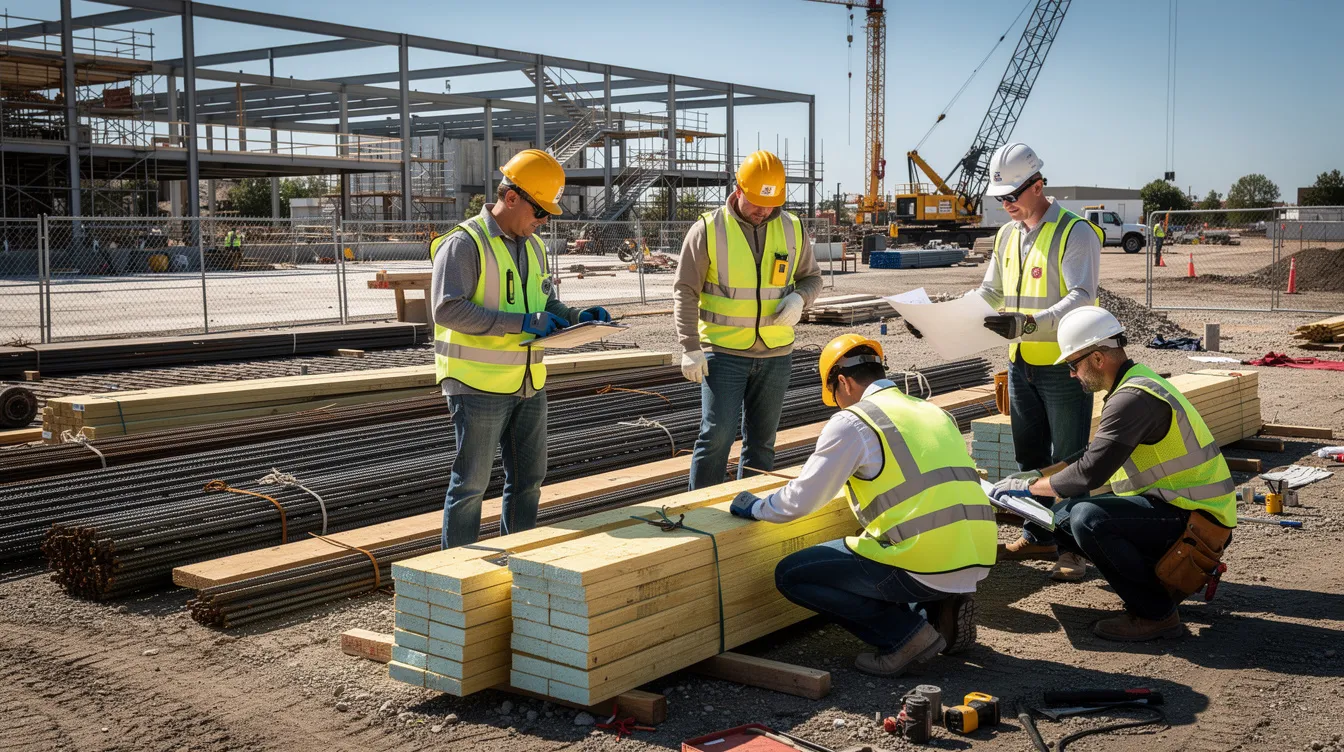
From Paper to Jobsite: Why the Handoff Fails
Most contractors have a reasonable paper trail for material changes: a change order, a submittal, maybe an RFI response. The breakdown happens when that information needs to reach the crew holding the tools, and whether it does often comes down to having one shared platform or a mobile app the field actually uses.
The pattern is consistent. PMs assume superintendents read every detail in the updated documents. Superintendents assume foremen will figure it out once the material shows up. Foremen rely on habit rather than updated instructions. Effective communication can minimize costly mistakes in construction, but ad hoc texts and one-off emails rarely change install behavior across multiple crews and jobsites the way a centralized system can.
Standardized handoffs improve project communication and reduce errors, and digital solutions can simplify handoffs when multiple crews and jobsites are involved. Documented assumptions prevent miscommunication during project execution. A structured handoff meeting can prevent rework issues before the crew touches the new material. Strong change order management is the backbone of this process, but only if it includes a clear path from the signed document to the foreman’s morning brief. When labor is tight, and experienced foremen are covering multiple construction projects across San Antonio or the I-10 corridor, the odds increase that no one “owns” the first-day install.
Common handoff gaps include:
- Updated specs stored in a project folder that field staff never open
- Manufacturer installation instructions that arrive with the shipment but sit in the packaging
- Verbal instructions passed through two or three people before reaching the installer
- No scheduled walkthrough or pre-install meeting for the changed scope
- No defined escalation path when the crew encounters unexpected behavior from the new product
Pre-Mobilization: Questions to Answer Before the New Material Arrives
Before the new material ships or the crew mobilizes, PMs, estimators, procurement staff, and superintendents should force answers to these questions:
- Is the change fully approved in writing, and do the governing contract documents incorporate updated drawings or specifications, not just an email thread or a verbal agreement?
- How does the new material interact with adjacent materials: adhesives, coatings, fasteners, anchors, sealants, and substrates? Are those accessories rated for the substituted system?
- Does the change alter tolerances, clearances, or required surface preparation?
- Does the new material require different tools, mixing procedures, curing times, or storage conditions? On a hot South Texas jobsite where surface temperatures can exceed 130°F in direct sun, adhesive open time and curing behavior shift with every substitution.
- Are inspection or testing requirements different: pull tests, density checks, moisture readings, fire-rating documentation?
- Who must be present on day one to sign off the first installed area?
- Has the design team confirmed that follow-on trades (MEP, drywall, finishes) can proceed without modification?
Supply chain disruptions can make specified materials impossible to source on schedule. Project delays can occur due to waiting for alternative materials to be sourced and delivered. Unforeseen site conditions may require selecting more robust materials than planned. Design modifications often require new material specifications due to structural changes. Whatever the reason for the change, the pre-mobilization answers are the same.
If the project team cannot explain these answers in one page of plain English, the construction project is not ready for the field to start. Store the completed question set with the change order documentation, so it becomes a standard example for future material changes.
What Foremen Must Verify at the Start of Day One
Foremen and front-line supervisors are the first line of defense against rework when materials change. NCCER’s guidance on the foreman role reinforces this: foremen need ongoing attention to craftsmanship, materials usage, and execution of communicated plans, and builders rely on that front-line verification to protect quality after a material change.
A start-of-shift verification should cover:
- Confirm the crew has the correct, current submittal or cut sheet. Check the revision date and verify it is the version the manufacturer or vendor intended the crew to use. If anyone is working from an old version saved on a phone or a dusty plan table, replace it before work begins.
- Walk the first work area and confirm that substrates, dimensions, and environmental conditions (temperature, moisture, wind) match the new material’s requirements.
- Verify that all necessary tools, specialty anchors, adhesives, or accessories for the new material are on site and staged, including what suppliers confirmed was available for the substituted system. Missing a single accessory rated for the new system can force a full stop.
- Review the install sequence out loud with the crew, calling out every step that changed from the usual routine.
- Clarify who the foreman will call (PM, superintendent, manufacturer rep) if the material behaves differently than expected.
Across South Texas, many crews are bilingual. Deliver briefings in the languages needed to ensure every worker understands the new standard and can implement the changed install standard, not just hear it announced. Investing in training can reduce rework costs by 11 to 22 percent. Effective change management processes are crucial to mitigate risks associated with material changes, and the foreman’s briefing is where those processes become real.
If any of these checks fail, the right move is to pause the installation for 30 to 60 minutes, get the answer, and then proceed. Pushing through a knowledge gap creates rework that costs far more than a brief delay.

Resetting Quality Control After a Material Change
A new material means a new quality standard, even if the drawing looks similar. Quality management aims for zero rework, and that goal requires resetting QC checkpoints whenever the installed product changes. The new standard may also affect appearance expectations, not just installation criteria.
Practical QC tactics for a material change:
- Build and approve a small mockup or first-work-area segment before full production begins. Hold all other installation until the mockup passes inspection. The mockup should confirm both performance and aesthetics before full production begins.
- Use one-point “hold” checks where work cannot proceed until the superintendent or QC lead inspects the first install and documents acceptance criteria.
- Capture photos and short notes of acceptable installation to share with other crews and shifts. A photo standard eliminates arguments about what “good” looks like.
Tie inspection criteria to both the spec language and the manufacturer’s printed installation instructions, not just “how we have always done it.” Treat each accepted detail as a project feature the team will use as a reference for later work. When 75% of US firms encounter rework twice a week, and rework costs range from 2% to 20% of total project costs, catching a problem in the first hour is worth more than a week of remediation later.
Coordinate the quality reset with your broader construction safety management strategies. Some material changes alter fire ratings, structural capacity, or chemical exposure risks. A substitution in firestopping, insulation, or coatings may require updated safety data sheets, different PPE, or revised hot-work procedures. These QC resets can be time-consuming, but they still cost less than removing and replacing installed work. Strong QC checks early often pay for themselves by preventing larger rework costs later.
Compatibility Checks That Cannot Be Skipped
Most first-day failures come from hidden compatibility issues, not obvious defects in the new product. The material may pass every lab test but fail in the field because the surrounding system wasn’t updated, so contractors, suppliers, and the vendor need to understand where the changed system can fail if surrounding components stay the same.
Specific compatibility checks that cannot wait:
- Anchors and fasteners: confirm they are rated for the new base material or density. An anchor certified for standard-weight CMU may not hold in a lighter substrate.
- Adhesives and sealants: verify suitability for the new substrate and the on-site temperature range. In South Texas summers, adhesive cure kinetics change when concrete surface temperatures climb; open time shortens, and bond strength can drop if the installer does not adjust.
- Structural and fire-rating implications: substituting blocks, studs, coatings, or insulation can alter load paths, fire assemblies, and code compliance, and the revised assembly must comply with code and specified performance requirements.
- Movement joints and control joints: different materials expand and contract at different rates. If you don’t recalculate joint spacing, cracks appear.
- Follow-on trades: MEP hangers, drywall framing, and finish work all rely on the base material’s properties. A substitution that changes thickness, density, or anchor pull-out values affects every trade that follows.
High-performance concrete mixes enhance strength and longevity, but they may also change curing requirements and finishing behavior. Advanced sealers improve surface protection and reduce maintenance, yet they may be incompatible with a substituted substrate. Concrete finishes now include architectural designs and polished surfaces that demand tighter tolerances. Low-VOC products are becoming standard in construction materials, but their cure times and adhesion profiles differ from conventional formulations.
Confirm every compatibility question in writing with the design team or manufacturer before crews start cutting, drilling, or fastening. If written confirmation is still missing, crews should not submit to field assumptions. Treat any unanswered question as a stop sign, not as a detail to figure out later.
South Texas Field Conditions That Make Day One Riskier
San Antonio and the I-35 and I-10 corridors add specific pressure to material changes. Heat, wide travel distances between jobs, and stretched supervision compress the margin for error on day one.
- Crews and foremen moving between multiple jobsites in the same week can easily confuse old and new install standards. A foreman who ran CMU on Monday may arrive at a different site on Wednesday where the spec calls for a substituted system, and old habits travel with the crew.
- High heat and humidity affect curing, adhesives, coatings, and material storage. Adhesive anchors installed in rain-wetted holes or on concrete above the manufacturer’s rated temperature range can fail under load the same day. Water-based adhesives can rewet in humid conditions after initial cure.
- Tight schedules on healthcare, industrial, and infrastructure projects leave little float to absorb rework. A first-day failure on a data center or hospital job can set the work off course for the rest of the week and push the deadline by a week or more.
Environmental considerations can motivate the selection of sustainable materials in construction, and sustainability is integrated into material selection for 2026. Changes in local building codes can require mid-project material substitutions. Whatever drives the change, these South Texas field conditions raise the stakes. Strong construction operations management, including disciplined first-day checks and written instructions for every material change, should keep the focus on protecting performance under local heat, distance, and supervision pressures.
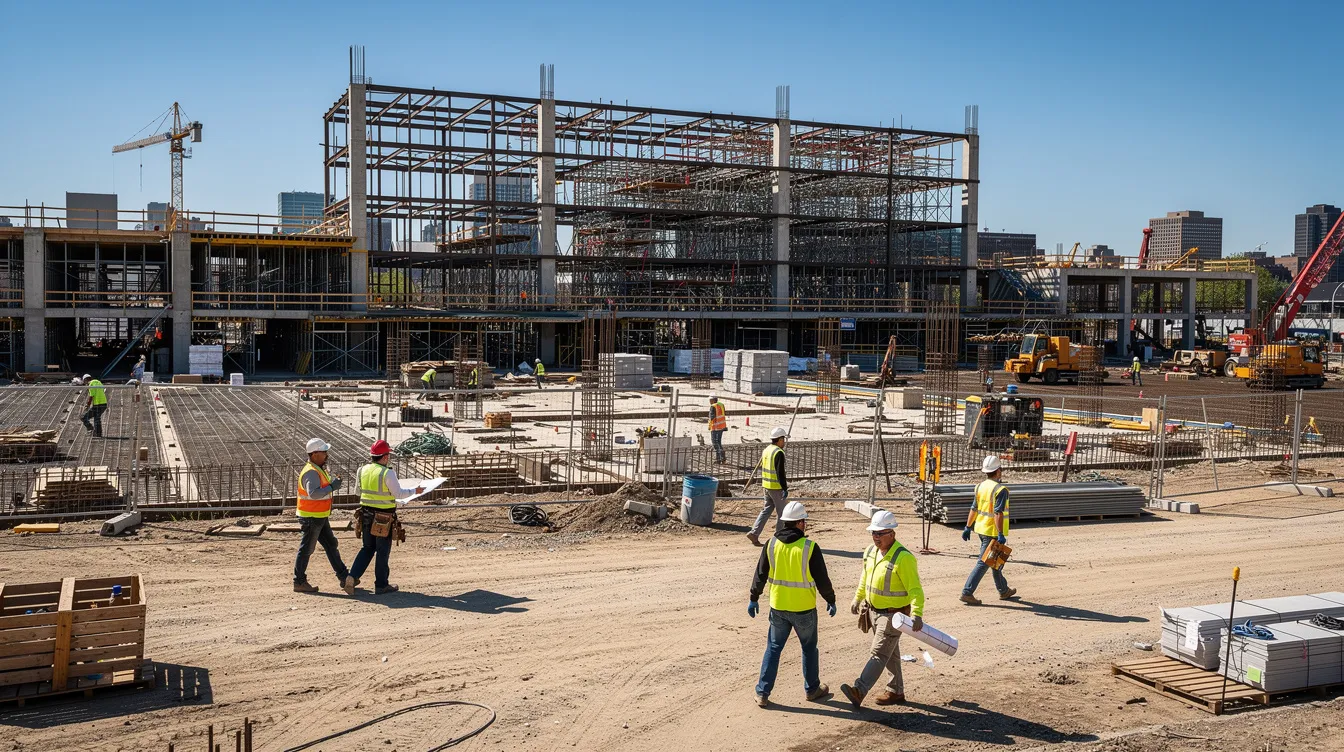
What PMs and Executives in the Construction Industry Should Do Differently When Materials Change
Leadership actions prevent first-day failures. Paperwork compliance alone does not.
- Treat every non-trivial material substitution as a mini “management of change” event and a business risk, not just a paperwork exercise. OSHA’s process safety guidance explicitly lists changes in materials of construction as a type of change that requires procedural attention. The same discipline applies on commercial and industrial jobsites.
- Require a short written field brief for each change that summarizes scope, install differences, QC points, and safety impacts in one page, and note any client-facing impacts if the changed material affects schedule, finish, or follow-on work. If it cannot fit on one page, the team does not understand the change well enough.
- Confirm that the foreman and superintendent have reviewed the brief before material ships, not the morning it arrives.
- Assign clear ownership for the first-day inspection and sign-off: PM, superintendent, or QC manager. If no one is named, no one owns it.
Unapproved material changes can trigger contractual and legal disputes, affecting responsibilities and relationships with owners, architects, and clients. Cost fluctuations can lead to budget overruns, prompting substitutions of cheaper materials. Track first-day defects and rework from material changes across construction projects to identify patterns and training needs; managing these trends across jobs supports continuous improvement at the company level. If the same anchor pull-out failure shows up on three jobs in a quarter, the company has a training gap, not a product problem.
Executives who invest in foreman and superintendent development, including programs that address change orders, material substitutions, and field supervision skills, build the capacity to absorb changes without losing productivity. NCCER’s Project Supervision curriculum covers change orders, construction documents, and resource control for exactly this reason.
Checklist: First-Day Material-Change Controls to Reduce Construction Rework
Use this checklist for every material substitution, whether driven by design, supply chain, or value engineering.
- Confirm the change is fully approved and documented: specifications, drawings, and submittals are current and distributed to the field, and everyone with field responsibility has access to the current approved documents.
- Confirm compatibility with adjacent materials, anchors, adhesives, fire ratings, and follow-on trades.
- Confirm tools, accessories, and storage requirements are known and ready on site.
- Brief the foreman and crew in plain language before work starts. Call out every step that differs from the previous install routine.
- Deliver the briefing in every language the crew needs. Verify understanding, not just attendance.
- Conduct a mockup or first-piece inspection and document acceptance criteria with photos.
- Log any questions or unexpected product behavior and escalate to the PM or superintendent within the hour so they are resolved before follow-on trades proceed, especially when product availability or technical support is uncertain.
- Capture photos and short notes of correct installation for reference by other crews and future shifts.
- Review first-day performance at the next daily huddle and adjust instructions as needed.
- File the completed checklist with the change order documentation for the project record.
This checklist applies to any construction project where the installed material differs from what the team planned, bid, and practiced.
Turn Material Changes into a Controlled Process, Not a Gamble
Material changes in construction don’t have to cause rework if South Texas contractors treat day one as the critical control point. The pattern behind every first-day failure is the same: the change was approved on paper but never translated into updated field behavior, verified compatibility, or reset quality checks. Success depends on closing the gap between the office and the crew before the first piece is installed, using repeatable solutions that turn approvals into field execution.
Pilot this first-day material-change checklist on your next changed scope. Adjust it to fit your company’s field procedures and the future material changes it may face across the construction business. Track what it catches and what it costs you when you skip the checklist.
ABC South Texas supports contractors across the San Antonio metro and 22-county footprint with workforce training, apprenticeship through the Contractors Apprenticeship Trust, leadership development, and safety education. Stronger field supervision starts with investing in the people who run the work. Connect with ABC South Texas to explore resources that help your foremen, superintendents, and project managers turn material changes into controlled processes instead of costly surprises.


