


Construction safety gains are real, but they are not uniform. A South Texas construction safety strategy should account for the fact that some parts of the industry are improving faster than others, as CPWR’s June 2026 Data Bulletin makes clear.
Executive Snapshot: Why Subsector Injury Trends Matter Now
CPWR’s June 2026 Data Bulletin, Construction Injury Trends by Major Subsector, examines three distinct segments of the industry: construction of buildings (NAICS 236), heavy and civil engineering construction (NAICS 237), and specialty trade contractors (NAICS 238). The trends across those segments are not moving in the same direction.
From 2012 to 2024, fatal injuries in construction of buildings increased 54.9%, climbing from 142 to 220 deaths. Over that same period, CPWR indicates that fatal injury rates declined in heavy and civil engineering and in specialty trades. That divergence matters for South Texas commercial and industrial contractors managing mixed workloads across building, infrastructure, and specialty scopes. Leaders cannot assume that broad industry improvement means every part of their operation is getting safer.
CPWR’s June 2026 bulletin shows a split picture: fatal injuries in construction of buildings rose 54.9% from 2012 to 2024, while fatal injury rates declined in heavy/civil and specialty-trade work.
What CPWR’s June 2026 Data Bulletin Says About Construction Injury Trends
CPWR’s June 2026 bulletin draws on federal injury and fatality data to compare nonfatal and fatal trends across the three major construction subsectors. The central takeaway is simple: aggregate construction numbers can hide important differences between project types.
- Construction of buildings saw fatal injuries rise 54.9% from 2012 to 2024, from 142 to 220. CPWR also reported a 13.1% increase in its nonfatal injury rate in the most recent two-period comparison, rising from 71.7 to 81.1 cases per 10,000 workers from 2021-2022 to 2023-2024.
- Heavy and civil engineering recorded the largest long-term nonfatal improvement among the three subsectors, according to CPWR.
- Specialty trade contractors also posted lower nonfatal injury rates over the longer period, even though this subsector remains a large share of construction activity and injury volume.
CPWR’s broader framing is also important: construction had the highest number of fatal work injuries of any industry in 2024. Separately, the Bureau of Labor Statistics reported 1,032 fatalities among construction and extraction occupations in 2024. Those headline totals show why contractors still need sharper hazard controls even when some subsector trends are improving.
How Risk Differs Across Construction Subsectors
The event patterns behind the numbers differ by subsector, which is why one company-wide safety message is rarely enough. CPWR found that for fatal injuries in 2024, falls, slips, and trips were the most common event or exposure in construction of buildings and specialty trade contractors, while transportation incidents were the most common in heavy and civil engineering.
That distinction should shape how contractors think about exposure:
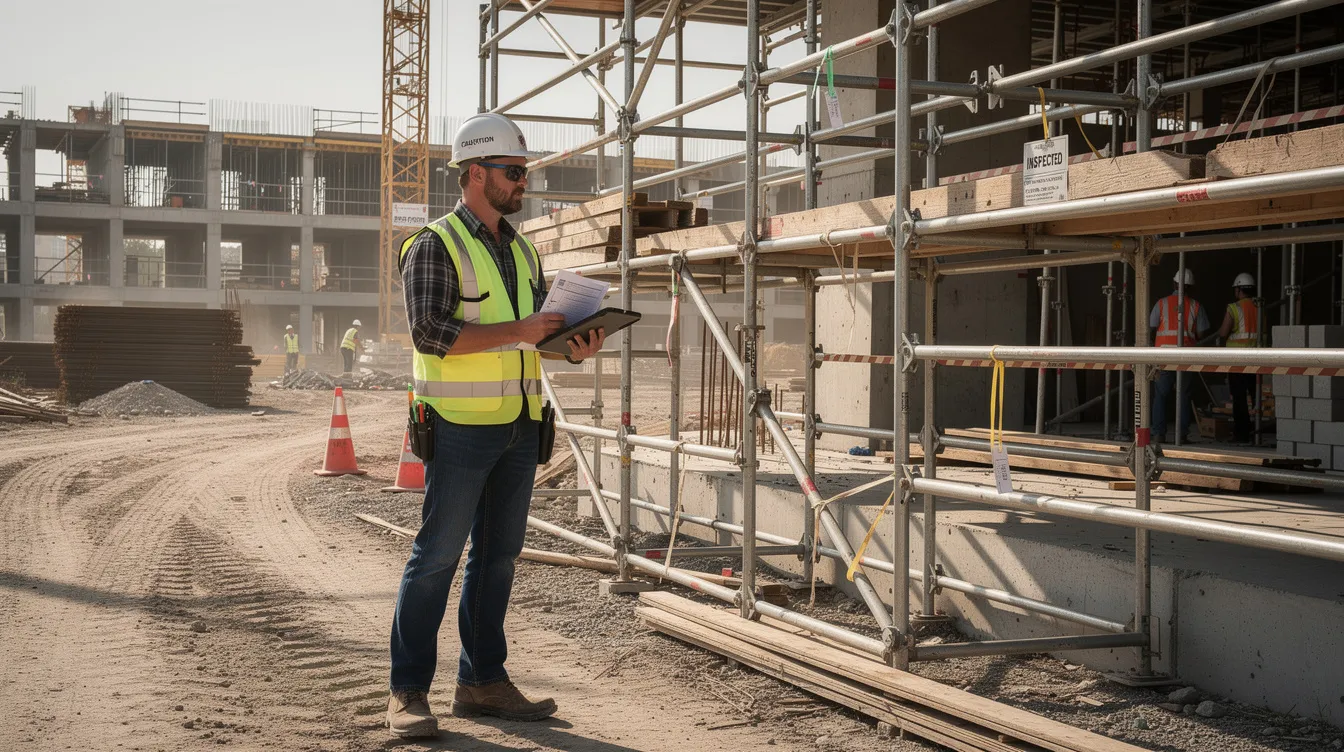
- Building construction: elevated work, openings, scaffolding, roofs, and other fall exposures deserve sustained attention.
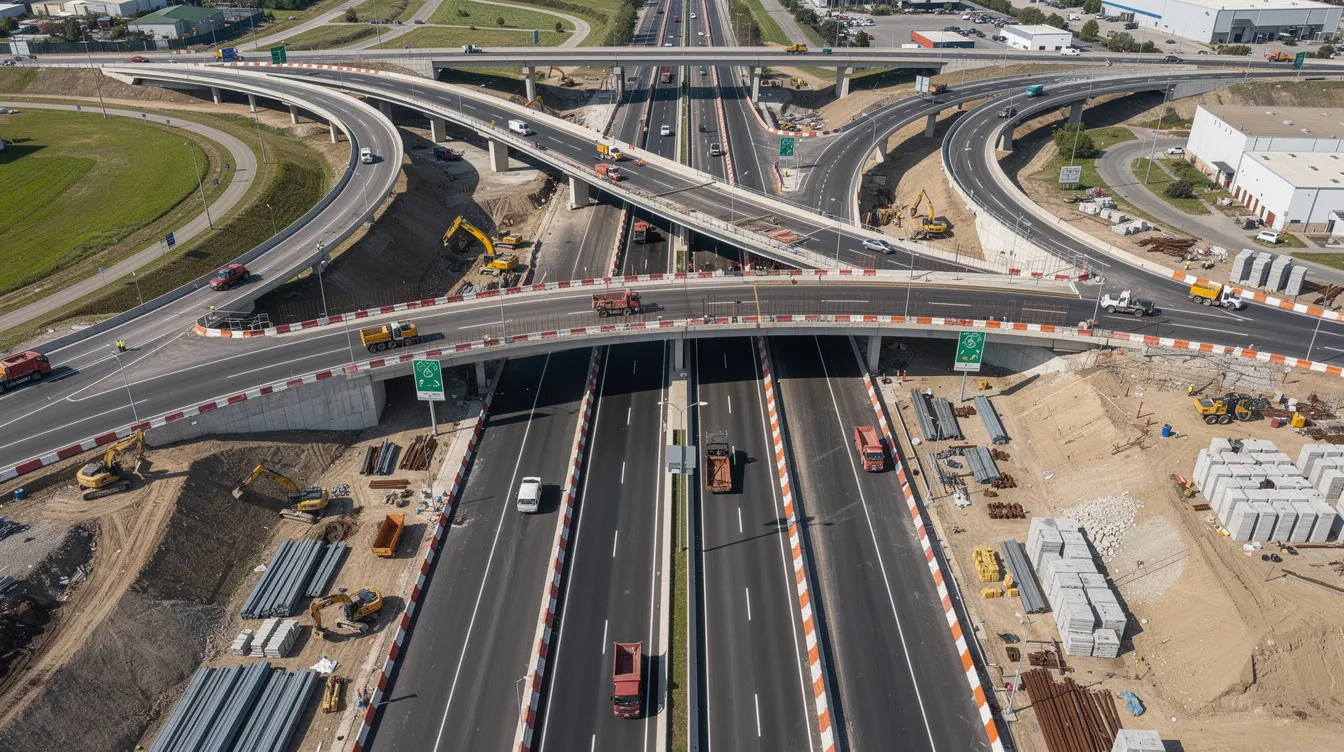
- Heavy and civil engineering: traffic interaction, moving equipment, work zones, and transportation-related hazards require a different control emphasis.
- Specialty trade contractors: fall hazards remain significant, but project-specific exposures can also shift quickly as trades move through different phases of work.
For nonfatal injuries, BLS reported that within private construction, falls, slips, and trips resulting in at least one day away from work occurred at an annualized rate of 30.0 cases per 10,000 full-time workers in 2024. That helps explain why fall prevention remains a major operational issue, especially on building and specialty-trade scopes.
Why the Subsector Split Matters for South Texas Construction Firms
South Texas contractors often operate across multiple subsectors at once. A single company may have a commercial building project in San Antonio, utility or roadway work along the I-35 or I-10 corridors, and specialty-trade crews active on industrial or healthcare sites. That mix makes a generic safety plan less useful than a subsector-based one.
This is where a practical South Texas construction safety strategy should become more specific. A contractor with a large building portfolio may need more supervisory attention to fall exposure and elevated-work planning. A firm with more highway, sitework, or utility activity may need stronger controls around equipment movement, work-zone setup, and traffic interaction. Specialty contractors may need tighter planning as task exposure changes and crews move from one phase of work to the next.
Regional operating conditions also raise the stakes. South Texas contractors commonly manage dispersed jobsites, long supervisor travel distances, and hot-weather outdoor work. Those realities make hazard recognition, communication, and follow-through harder across multiple active projects.
Key planning realities to account for:
- Heat-illness prevention for outdoor crews, especially during extended hot-weather periods
- Traffic control and line-of-fire risks on roadway and civil scopes
- Fall-exposure planning on commercial building projects
- Clear communication across rotating crews
- Consistent field oversight when leaders are stretched across multiple sites
Leaders should resist averaging their experience across all projects. Reviewing injuries, near misses, and corrective-action trends by subsector or project type gives a more useful picture of where risk is actually concentrating.
Where Risk Still Concentrates on South Texas Construction Sites
Even where national injury rates have improved, risk still concentrates in familiar categories. CPWR’s subsector findings reinforce that point: falls remain a defining exposure in building construction and specialty trades, while transportation incidents remain a major fatal-event concern in heavy and civil work.
Heat illness is also a major concern for outdoor construction operations in South Texas. OSHA’s heat-illness guidance describes heat stroke as the most serious heat-related illness and underscores the need for active prevention planning in hot conditions. For contractors in this region, that means heat planning belongs alongside fall protection, work-zone controls, and pre-task hazard reviews rather than sitting in a separate seasonal binder.
Hazards that deserve subsector-specific emphasis include:
- Falls from roofs, edges, decks, and scaffolding on building projects
- Struck-by and transportation hazards around moving equipment and roadway work zones on civil jobs
- Changing task exposures for specialty trades moving through active commercial or industrial projects
- Heat stress across outdoor sites
- Communication breakdowns where crews, supervisors, and subcontractors are spread across multiple locations
Translating the Data into a South Texas Construction Safety Strategy
CPWR’s subsector data becomes useful only when it changes how contractors plan and manage work. The goal is not more generic safety messaging. It is a sharper focus on the hazards most likely to harm workers on each project type.
Practical strategy moves by subsector:
- Building construction: shift pre-task planning toward fall protection, access, edge protection, and verifying elevated-work controls before work starts.
- Heavy and civil engineering: emphasize traffic-control plans, equipment/pedestrian separation, visibility, and supervisor review of work-zone conditions.
- Specialty trade contractors: tailor pre-task plans to the exposure of the phase at hand rather than assuming every day carries the same risk profile.
- All subsectors: follow current OSHA heat guidance, provide water, rest, and shade planning where needed, and train supervisors to recognize early warning signs of heat illness.
- Mixed portfolios: review incident patterns by subsector or project type at least quarterly and shift field attention accordingly.
A commercial building contractor in San Antonio may need to invest most heavily in fall planning and elevated-work oversight, while a contractor focused on roadway or utility scopes may need to double down on traffic control and mobile-equipment separation. Even within the same company, the safety emphasis should move with the work.
What Executives, PMs, and Superintendents Should Tighten This Quarter
This is a practical 30- to 90-day checklist for South Texas contractor leaders responding to current subsector injury trends.
- Sharpen pre-task planning by project type. Every morning briefing should identify the top hazards specific to that day’s work, not just repeat a generic list.
- Require supervisors to conduct targeted field walks focused on the highest-consequence hazards for that job type.
- Improve elevated-work planning on building projects. Given the persistent role of falls in fatal injuries, crews should not start exposed work without confirmed controls.
- Adjust heat-prevention planning for hot-weather operations and align field procedures with current OSHA guidance.
- Speed up hazard correction and closeout. An identified hazard that stays open for days is a warning sign.
- Tighten subcontractor expectations on mixed sites. Review safety performance in the context of the actual work scope, not only a broad company metric.
- Connect safety decisions to operations, schedule stability, and margin protection. The safety-operations connection is direct.
These actions are especially important for firms managing several jobs at once across San Antonio and the broader South Texas footprint.
Using the STEP Safety Management System to Benchmark and Improve
ABC South Texas members can use the STEP safety management system to benchmark their safety programs against a structured contractor-developed framework. ABC South Texas describes STEP as a system developed by contractors for contractors, and its Key Component system forms a 20-point guide for starting, updating, or auditing a company-wide safety program.
That structure is useful when applying CPWR’s subsector findings to your own operation:
- Map your incident and near-miss data by project type instead of scoring your entire company as one undifferentiated safety profile.
- Use STEP to test whether controls are strong where exposure is highest.
- Prioritize improvements in the subsector or project category where your company’s risk patterns most closely resemble the national trouble spots.
- Use the framework to move from broad safety intentions to documented follow-through.
The goal is not recognition for its own sake. It is a more disciplined way to identify where your controls are weak and whether the right corrective actions are actually happening.
Training and Workforce Development: Building Safer South Texas Crews
Uneven injury trends also point back to workforce capability. Different subsectors expose crews to different hazards, so training priorities should match the work instead of relying on one broad annual message.
ABC South Texas education and training programs include apprenticeship pathways in carpentry, electrical, pipefitting, plumbing, and sheet metal, along with safety and leadership training. That creates a practical way for contractors to connect hazard trends to workforce development.
Useful training priorities by work type may include:
- Scaffolding, access, and elevated-work safety for building crews
- Work-zone awareness and equipment interaction controls for civil crews
- Task-specific hazard recognition for specialty trades working through changing phases
- Heat-illness awareness for outdoor workers and supervisors
- Clear delivery of critical safety expectations where needed
Training should reduce nonfatal injuries, improve field execution, and strengthen supervision. Treating it only as a compliance box misses the operational value.
A 30-Day Subsector Safety Review Plan for South Texas Contractors
The most useful next step after reading CPWR’s bulletin is a 30-day internal review that re-ranks active work by subsector risk. Some construction segments are improving faster than others, and building-related fatal injury trends deserve particular attention.
- List all active projects and classify each primarily as building, heavy/civil, or specialty-trade work.
- Pull the last 12 to 24 months of incidents, near misses, and serious observations by project type.
- Compare your patterns to CPWR’s subsector findings. Are your building projects showing persistent fall exposure? Are your civil jobs producing more equipment or traffic-related concerns?
- Choose the top two or three hazards to emphasize for each subsector this quarter.
- Update pre-task plans, supervisor checklists, and field-walk priorities to reflect those differences.
- Use STEP and chapter safety resources to close gaps that your review reveals.
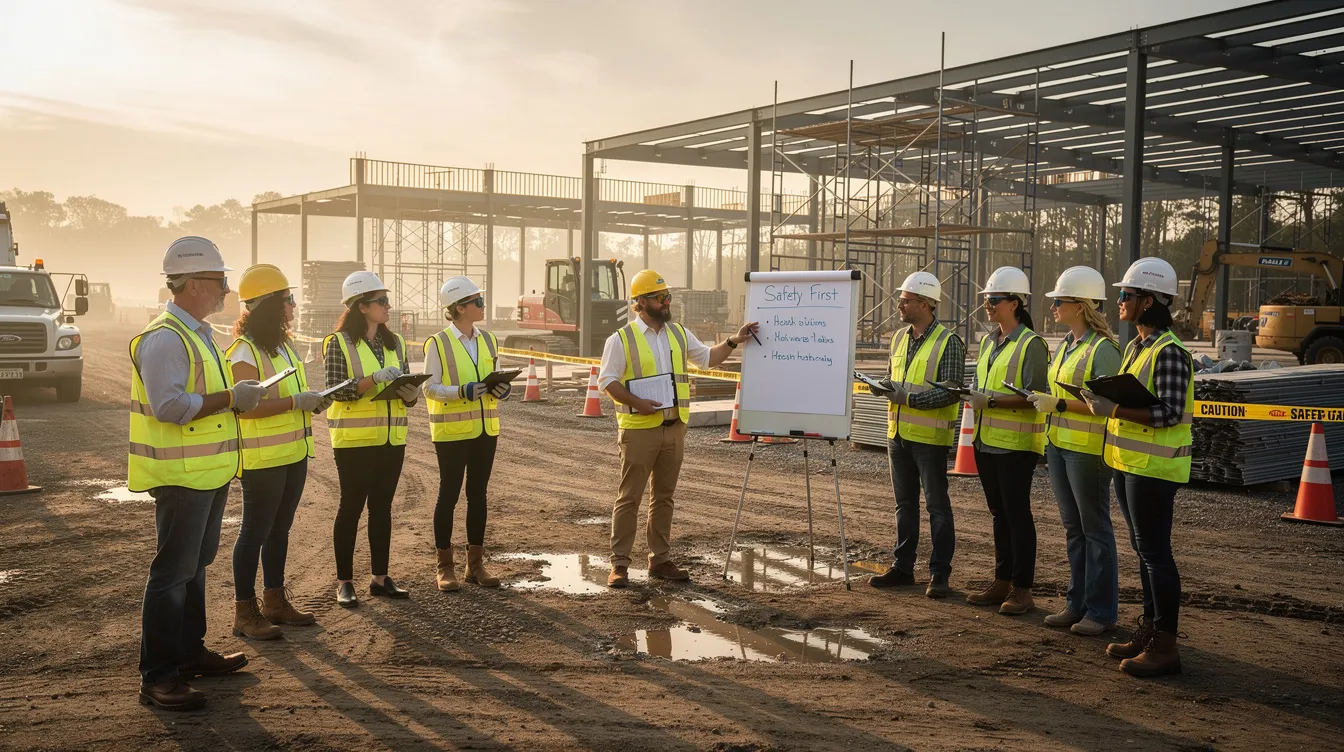
- Brief leaders, PMs, superintendents, and foremen on the updated priorities within 30 days.
A data-informed, subsector-specific South Texas construction safety strategy gives commercial and industrial contractors a clearer way to focus field attention where risk is actually rising or holding stubbornly high. The next move is straightforward: review your active work by subsector, compare your own patterns to the CPWR split, and tighten controls where the exposure is greatest.


