


Key Takeaways
The sustainable construction industry is entering a more documentation-heavy phase as LEED v5 BD+C ties some project paths more directly to embodied carbon, whole-building life-cycle assessment, and Environmental Product Declarations (EPDs). For South Texas contractors, that makes sustainability less of a design talking point and more of a procurement and submittal issue.
- LEED v5 is built around decarbonization, quality of life, and ecological conservation and restoration, according to the U.S. Green Building Council.
- In LEED v5 BD+C, the Materials and Resources credit focused on reducing embodied carbon includes options tied to whole-building life-cycle assessment and EPD analysis.
- For estimators, project managers, and procurement leads, the practical shift is this: material selections now matter not only for cost and availability, but also for whether suppliers can provide the documentation needed to support the project’s LEED path.
- The most useful response is not a separate “green” process. It is adding LEED-related checks to the same procurement discipline contractors already use to manage buyout, supplier risk, and scope clarity.
Introduction: Why Sustainability Is Now a Procurement Problem in the Construction Industry
For years, sustainable construction often lived in owner narratives, design presentations, and optional project goals. LEED v5 changes the day-to-day conversation. As the latest version of the U.S. Green Building Council’s rating system, it centers on decarbonization, quality of life, and ecological conservation and restoration. In LEED v5 BD+C, one practical contractor-facing shift is that the Materials and Resources credit on reducing embodied carbon ties some material decisions more directly to documentation. That means the sustainable construction industry is no longer only about what a building is designed to do. It is also about what a contractor can source, verify, and submit on time.
For South Texas contractors, that shift matters most in preconstruction and procurement. If a project in San Antonio, New Braunfels, Seguin, or elsewhere along the I-35 and I-10 corridors carries LEED v5 language, the risk is not abstract. It can show up in quote reviews, supplier qualifications, alternate approvals, submittal logs, and buyout timing. On tight-margin industrial work, unplanned administrative scope can become real cost.
ABC South Texas approaches issues like this from a merit shop and free-enterprise perspective: clear scope, open competition, and performance-based decisions. In practice, that means sustainability requirements should be defined early and applied consistently so bidders are competing on the same expectations rather than absorbing hidden documentation burdens at different points in the job.
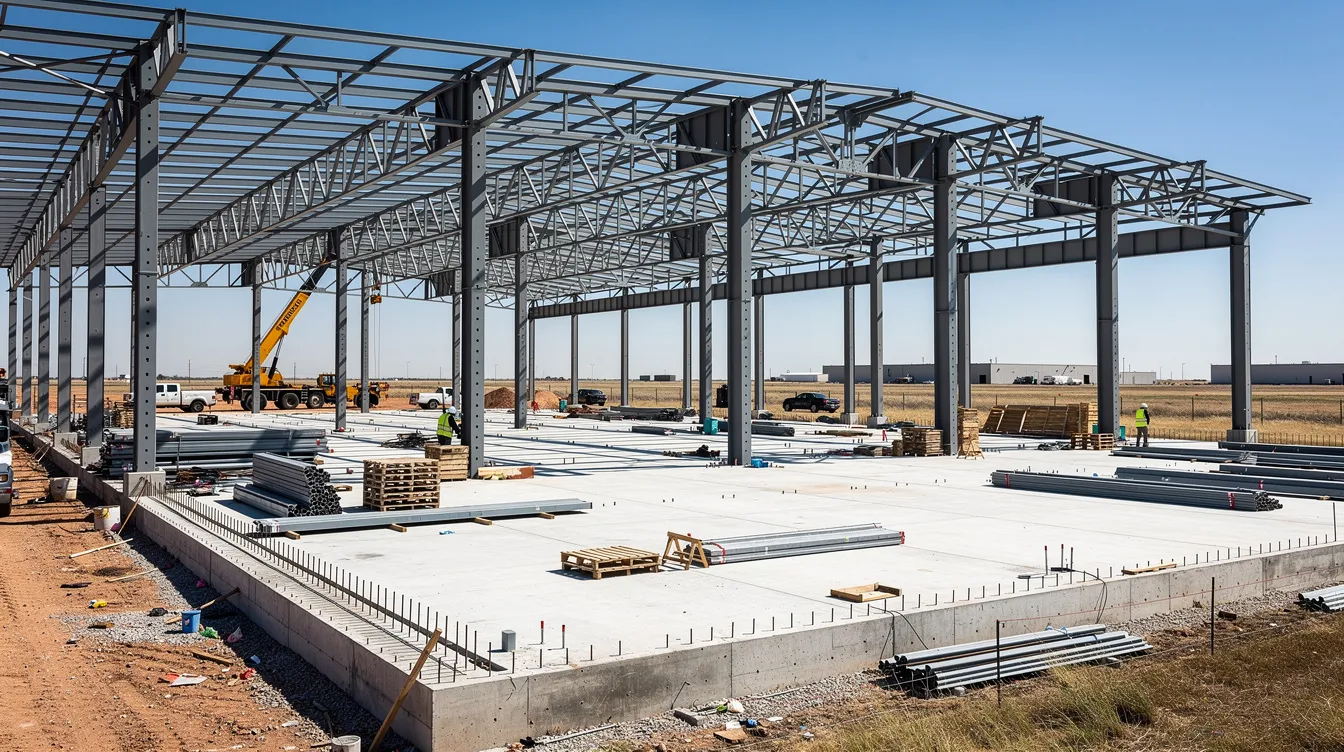
What LEED v5 Changes for Contractors Compared With Earlier LEED Versions
USGBC says LEED v5 centers on three impact areas: decarbonization, quality of life, and ecological conservation and restoration. USGBC also indicates LEED v5 is open for registration. That timing matters because projects entering design now can reach procurement and construction with v5 requirements in place.
For contractors, the most important change isn’t the rating system’s branding. It is the stronger connection between some material selections and documented environmental data. In LEED v5 BD+C, the Materials and Resources credit Reduce Embodied Carbon includes options tied to whole-building life-cycle assessment and EPD analysis.
That creates several practical implications:
- Procurement teams may need earlier confirmation of whether major suppliers have usable EPDs.
- Material alternates may need to be evaluated for documentation, performance, and price.
- Buyout conversations may need to happen earlier with structural, concrete, enclosure, and hardscape suppliers.
- Submittal registers may need added fields for LEED relevance, EPD status, and approval tracking.
- Coordination between the contractor, design team, and suppliers becomes more important when the project is pursuing embodied-carbon-related credits.
Operational issues usually arise well before certification-level discussions: understanding which material packages affect the project’s LEED strategy and what documentation each requires.
LEED v5 does not replace Texas building codes or ordinary project specifications. It sits alongside them as an owner- or project-driven standard. That distinction matters. Contractors still need to read the actual contract documents instead of treating LEED language as a generic sustainability label.
Operational Carbon vs. Embodied Carbon: Why LEED v5 Targets Construction Materials
Operational carbon generally refers to emissions associated with running a building over time, such as energy used for heating, cooling, lighting, and equipment. Embodied carbon refers to emissions associated with materials and construction processes across the product life cycle. That includes extraction, manufacturing, transport, installation, maintenance, and end-of-life stages.
For many contractors, operational-carbon issues have historically felt more design- and systems-driven. LEED v5 brings more attention to embodied carbon in specific building-rating paths, which is why procurement teams are seeing sustainability show up in material documentation instead of only in design intent statements.
EPA’s EPD Basics guide explains that life-cycle assessment is a core basis for the impact information disclosed in an EPD. Separately, EPA advisory material on embodied-carbon support discusses technical considerations for integrating EPDs into procurement. In other words, the paperwork is not separate from the product decision. The paperwork is part of how the product decision is evaluated.
On a South Texas project, that can affect decisions such as:
- Whether a concrete supplier can provide mix-specific or plant-specific supporting data
- Whether a steel or rebar supplier has usable EPD documentation for the specified product
- Whether an enclosure or hardscape alternate still supports the project’s LEED path
- Whether the team can assemble complete documentation without delaying submittals or approvals
That is why embodied carbon is no longer just a consultant term. On LEED v5 work, it can become a contractor coordination and procurement issue quickly.
Where LEED v5 Procurement Friction Shows Up on South Texas Industrial Jobs
On industrial work around San Antonio and along the I-35 and I-10 corridors, procurement friction usually does not begin with a dramatic specification rewrite. It starts with ordinary job tasks that suddenly need more backup: quote comparisons, supplier follow-up, substitutions, and submittal packaging.
The construction scopes most likely to create friction include:
- Structural steel and reinforcing materials
- Concrete and cement-intensive site or structural packages
- Roofing, wall assemblies, and other enclosure systems
- Glazing and curtain wall packages
- Hardscape and paving materials
- Major equipment or systems with substantial material content where the design team expects supporting documentation
Typical trouble points include suppliers who have never been asked for EPDs on a similar job, late clarification that a specified product needs a particular type of documentation, submittals that bounce back because the data is incomplete, or alternates that are acceptable technically but not usable for the project’s LEED documentation path.
That dynamic fits naturally with ABC South Texas’ existing coverage of procurement and margin exposure. Teams already watching price volatility and buyout timing on industrial construction procurement in South Texas can treat LEED v5 documentation as another risk variable in the same system rather than as a separate department problem.
It also connects to broader corridor execution pressure. On I-35 corridor industrial construction, multiple fast-moving projects often compete for the same suppliers, PM attention, and review capacity. Adding documentation-heavy procurement requirements without adjusting the process is how a sustainability target starts affecting schedule and margin.
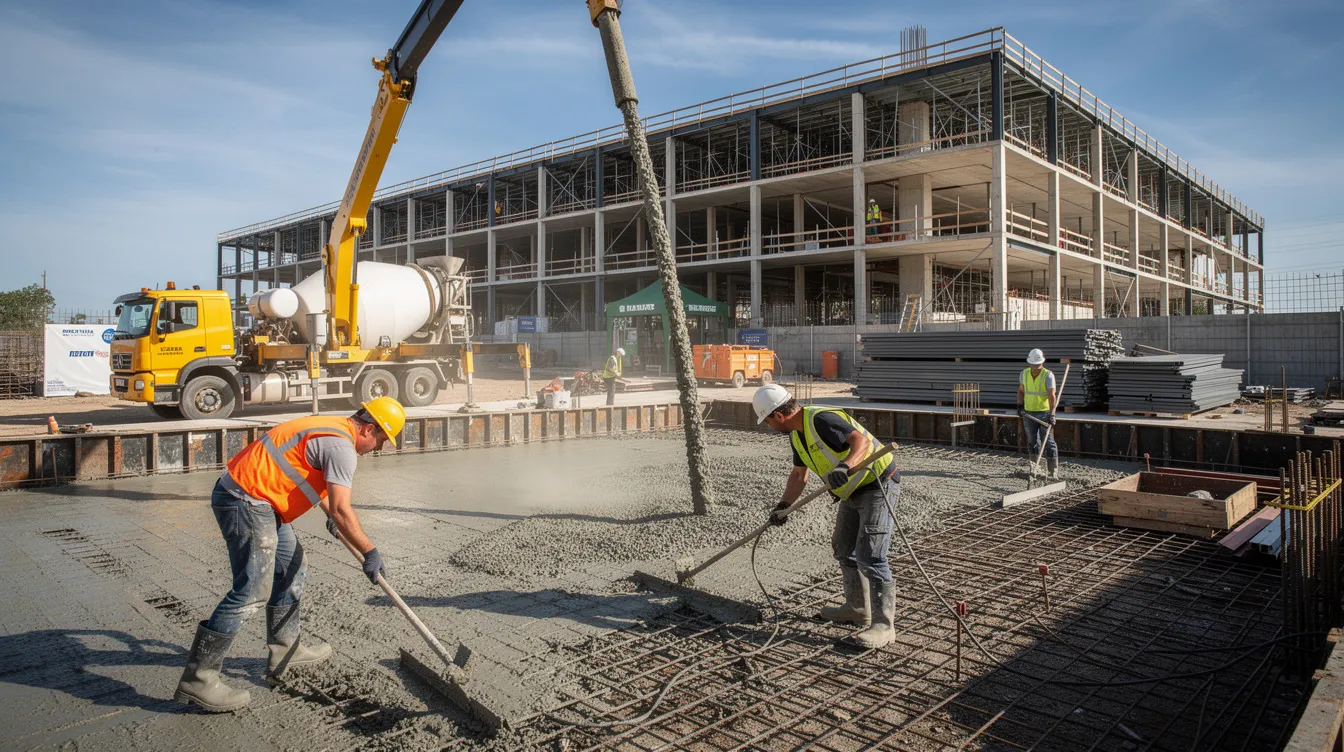
Building a LEED v5-Ready Procurement Plan: Roles, Logs, and Submittal Strategy
The best time to prepare for LEED v5 is before submittals start failing. Contractors do not need to build an entirely new management system to handle this. They need to make a few deliberate additions to the systems they already use for procurement control.
Start by assigning one person to own LEED-related material tracking on the project. Depending on company size and job structure, that may be the project manager, preconstruction lead, or a procurement coordinator. The goal is not to centralize every decision in one person. The goal is to prevent documentation responsibility from falling through the cracks between estimating, purchasing, and project management.
Then adapt the procurement log and submittal register so major material lines include:
- Whether the package affects the project’s LEED path
- Whether an EPD or similar supporting document is expected
- Who is responsible for requesting and reviewing the documentation
- Current status: requested, received, submitted, or approved
- Any clarification, exclusion, or substitution risk tied to that package
Treat this as an extension of ordinary operations discipline, not a stand-alone sustainability exercise. LEED v5 simply adds another risk column that should be visible early.
A practical example: before finalizing a concrete package on a LEED v5 project, the PM should know whether the supplier can provide the documentation the design team expects, whether the mix design under discussion aligns with the project’s LEED approach, and whether any added review time could affect release timing. None of that requires a sustainability department. It requires early questions and clear ownership.
A Practical Preconstruction Checklist for LEED v5 Procurement
If your team needs one concrete tool from this article, use this preconstruction checklist on the next job that includes LEED v5 or similar material-documentation requirements:
- Confirm the exact LEED version and rating system identified in the contract documents.
- Identify the certification goal, if stated, and note whether the project documents call out embodied-carbon-related requirements explicitly.
- List the Materials and Resources credits or documentation paths the owner or design team is pursuing, if provided.
- Flag the major material categories most likely to require EPDs or related supporting documents.
- Contact key suppliers before bid day or early in buyout to confirm whether the required documentation exists and how quickly they can produce it.
- Record any documentation gaps in writing rather than relying on verbal assurances.
- Review likely alternates for both technical compliance and LEED-documentation compatibility.
- Add a visible LEED or sustainability field to the procurement log for affected packages.
- Build bid clarifications that state what documentation effort is included, excluded, or dependent on final design direction.
- Assign one owner for follow-up so LEED-related procurement issues are tracked like any other material risk.
This is where the sustainable construction industry becomes a practical management issue. The teams that do best will not be the ones using the most buzzwords. They will be the ones that surface scope early and keep documentation attached to procurement decisions from the start.
How to Ask Vendors the Right Questions About EPDs and Low-Carbon Products
Many vendors can answer better questions than they can interpret vague sustainability language. Contractors can reduce confusion by using simple, repeatable questions in RFQs, pre-bid calls, and buyout conversations.
Useful questions include:
- Do you have current EPDs for the specified product or product family?
- Are those EPDs product-specific, plant-specific, or more general in scope?
- Can you provide the documentation needed for our submittal package after award, and what is the expected turnaround time?
- Are there alternate versions of this product with different embodied-carbon profiles or different supporting documentation?
- Would choosing that alternate affect price, lead time, minimum order quantity, or approval risk?
- Have you supported LEED documentation on similar projects before?
- If the design team requests additional backup, who on your side handles that response?
Standardizing these questions helps estimators, PMs, and buyers avoid reinventing the process on each job. It also reduces the chance that procurement teams discover too late that a supplier can deliver the material but not the paperwork the job requires.
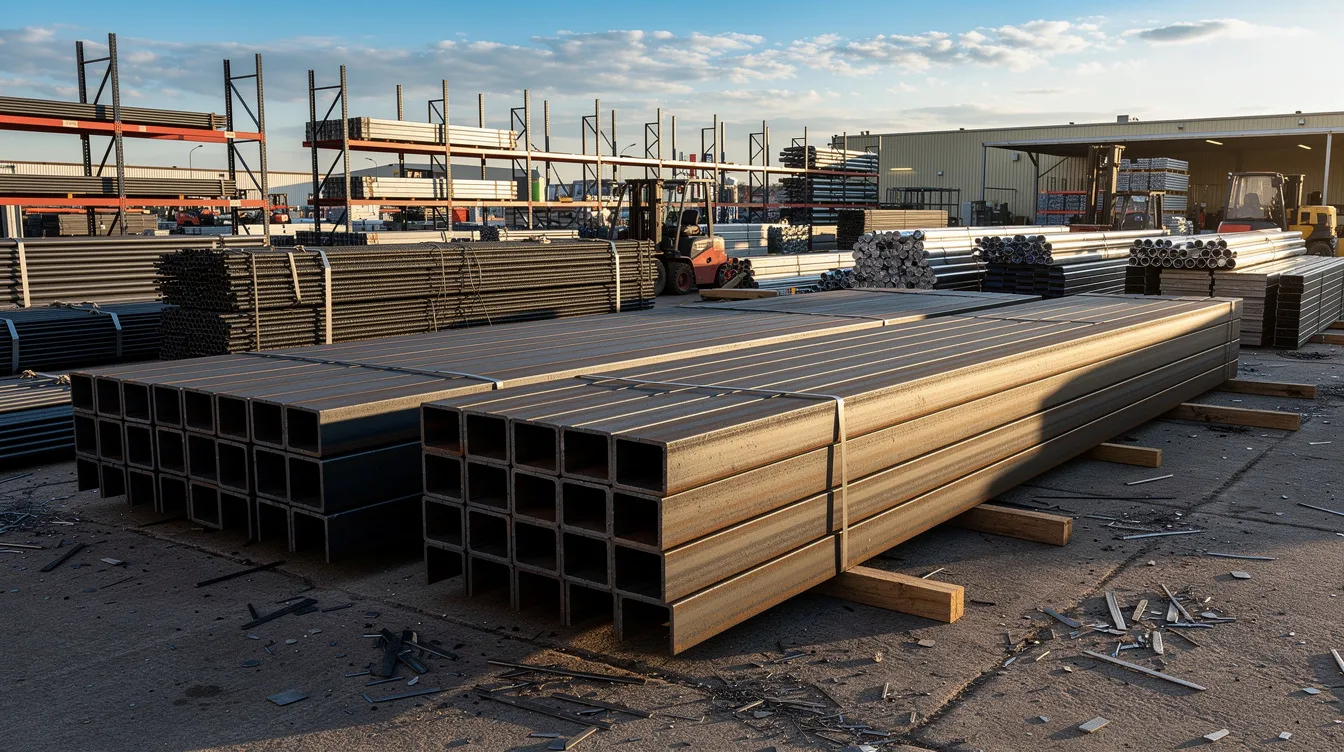
Protecting Margin When Sustainability Requirements Arrive Late
One of the biggest risks is not LEED v5 itself. It is late-arriving LEED language. A team may price a project based on standard material assumptions, only to find later that the owner or design documents expect EPD collection, embodied-carbon review, or more restrictive substitution criteria than the estimate carried.
When that happens, margin protection depends on speed and documentation. Practical responses include:
- Issue written RFIs to confirm exactly which LEED requirements apply to the affected packages.
- Document whether the added requirement changes submittal effort, supplier options, pricing, or release timing.
- Price compliant alternates separately, where appropriate, so the owner can compare options.
- Use clear bid clarifications and scope notes on future work to avoid repeating the same exposure.
- Route the issue through the same change-control discipline used for other scope changes on active jobs.
That last point matters. If a late sustainability requirement changes what must be bought, documented, or coordinated, handle it with the same rigor as any other scope adjustment. ABC South Texas members already thinking in terms of formal field and contract discipline can connect this to existing practices such as change-order control.
This is general educational guidance, not legal advice. Review contract interpretation, risk allocation, and claim strategy with counsel as needed.
Where Artificial Intelligence Can Help Manage LEED v5 Procurement Complexity
LEED v5 does not require artificial intelligence, but the volume of documentation involved creates a realistic use case for tools that help organize information. For contractors, the near-term value is less about flashy automation and more about better sorting, tracking, and follow-up.
Potential uses include:
- Organizing EPD files and supplier responses in a searchable structure
- Flagging which material packages still lack supporting documentation
- Comparing submittal status across multiple trades or projects
- Helping teams standardize intake questions and review checklists
That work still requires human review. Project managers and estimators must confirm that the data is relevant, current, and aligned with the actual project requirements. But for South Texas contractors managing multiple jobs, tools that reduce document chaos can have real operational value.
Using Circular Thinking Without Overcomplicating Procurement
Some LEED conversations naturally expand into reuse, recycled content, and broader circular-economy ideas. Those can be useful, but contractors should keep the procurement lens practical. The question is not whether every project should pursue every sustainability concept. The question is which material decisions on this job affect documentation, approvals, and execution risk.
Useful areas to evaluate may include:
- Whether recycled-content or lower-impact options are already acceptable within the specification
- Whether site or hardscape materials have reuse opportunities allowed by the project documents
- Whether prefabricated components can reduce waste and simplify field installation
- Whether suppliers can clearly document the environmental attributes they are promoting
Keeping the process grounded helps avoid a common mistake: broadening the sustainability conversation so much that the team loses sight of the actual procurement decision in front of it.
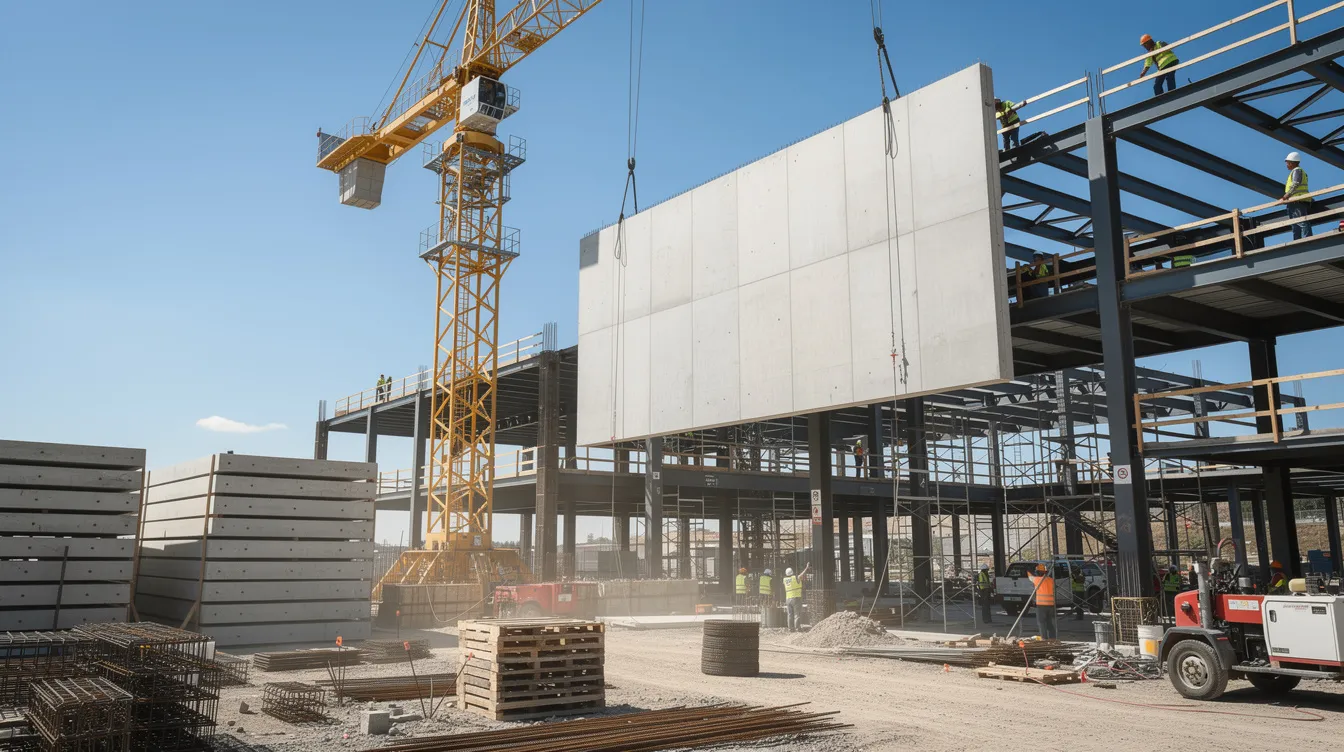
Next Steps for South Texas Construction Leaders Navigating LEED v5
For South Texas leaders, the immediate issue is not whether every project will use LEED v5 tomorrow. It is whether your team is prepared when an owner, designer, or procurement package does.
In the next 30 to 90 days, practical steps include:
- Review active bid templates and clarifications for sustainability and LEED language.
- Update procurement logs so you can track affected material packages for documentation, price, and schedule.
- Train estimators, PMs, and buyers on basic EPD and embodied-carbon terminology so they can flag issues early.
- Choose one upcoming project and test a simple LEED-documentation workflow before the requirement appears on a higher-risk job.
- Fold LEED-related procurement review into kickoff and buyout meetings rather than treating it as a separate afterthought.
That is the practical next step for the sustainable construction industry in South Texas: better scope visibility, better supplier questions, and better procurement control.
ABC South Texas can support that mindset by continuing to connect market intelligence, operations discipline, workforce development, and practical leadership guidance for merit shop contractors working across the region.
FAQ: LEED v5 and Sustainable Procurement in South Texas Construction
Below are answers to common questions about this topic.
When will LEED v5 start affecting day-to-day procurement on South Texas jobs?
USGBC says LEED v5 is open for registration now, but adoption will vary by owner and project type. Some South Texas contractors may encounter it sooner on projects already in design, while others may see it gradually through future institutional, commercial, or industrial work. The safest approach is to prepare your procurement process before a project makes the requirement urgent.
Does every South Texas public project require LEED v5?
No. Requirements vary by owner, agency, and project documents. Contractors should review each solicitation and specification package carefully, rather than assuming a single standard applies across public and private work.
Will low-carbon materials always cost more?
Not necessarily. Cost, availability, lead time, and documentation quality vary by product and supplier. Contractors should treat lower-embodied-carbon options the same way they treat other alternates: get current pricing, confirm schedule effects, and review whether the documentation actually satisfies the project requirement.
What is the simplest way for a smaller subcontractor to get more ready for LEED v5?
Start by identifying the materials you buy most often on projects where documentation may matter, then ask suppliers what EPDs or related environmental documents they already have. Store those records in one shared location and assign one person to keep them organized.
What is one action a GC or trade contractor can take before the next bid?
Add one new field to your procurement log for major material packages: required or not required documentation. That single change helps teams spot LEED-related exposure earlier and creates a repeatable process without rebuilding the whole system.


