


Key Takeaways
- For South Texas contractors, veteran construction jobs often start with internship programs built around a real hiring decision, not general exposure.
- An effective internship should test apprenticeship readiness through defined tasks, a mentor, scheduled evaluations, and a clear next step at the end of the program.
- Veterans and separating service members can be a strong audience for construction internships, especially when contractors connect high-performing interns to registered apprenticeship and explain available transition resources accurately.
- ABC South Texas offers education and training programs, including apprenticeships in carpentry, sheet metal, electrical, pipefitting, and plumbing, and the chapter says eligible apprentices may use Post-9/11 GI Bill benefits.
- The rest of this article gives South Texas contractors a practical framework for building internship programs that feed long-term workforce development instead of ending as one-season labor experiments.
Construction Internship Programs Need a Workforce Outcome, Not Just a Summer Calendar
South Texas contractors do not need more internships that end with a tour, a few shadow days, and a handshake. They need construction internship programs that help answer a harder question: who is actually ready to move into the craft pipeline?
That is what makes internship design a workforce issue rather than a branding exercise. In commercial and industrial construction across San Antonio and the broader South Texas market, labor pressure remains a long-term operating challenge. NCCER has reported that approximately 41% of the current construction workforce is projected to retire by 2031. With that backdrop, short-term exposure alone is not enough.
A better approach is to design internships as structured evaluations tied to real fieldwork, real supervision, and a real post-internship decision. In many cases, the most useful next step for a successful intern is registered apprenticeship. For ABC South Texas members, that can mean connecting qualified candidates to apprenticeship pathways tied to the chapter’s training infrastructure rather than letting momentum die when the internship ends.
Veterans and separating service members fit naturally into this conversation, but they should be treated as part of the internship strategy, not as a separate subject that replaces it. A well-run program can help contractors evaluate veteran candidates, student candidates, and other early-career prospects using the same practical standard: can this person succeed in a demanding construction environment and grow into long-term craft training?

What Effective Construction Internship Programs Include From Day One
Strong construction internship programs are specific. They don’t treat interns as generic helpers, and they don’t leave supervisors guessing about the purpose of the placement.
At minimum, a contractor should define:
- A written role tied to a real trade, department, or project function.
- A start date, end date, and expected schedule.
- An assigned supervisor and a day-to-day mentor.
- A safety orientation that matches normal jobsite expectations.
- A short list of skills, behaviors, and habits the company wants to observe.
- A formal end-of-program review and recommendation decision.
That structure matters because construction internships are not only about attraction. They are also about screening, coaching, and documentation. If no one can explain what the intern is being evaluated on, the company is not running a workforce program. It is simply hosting a temporary visitor.
For South Texas contractors, the strongest designs are usually simple enough for a superintendent, foreman, or project manager to manage on a live project. The goal is not to create administrative clutter. The goal is to make sure the internship produces usable information for hiring and development.
How To Turn an Internship Into a Practical Trial for Apprenticeship
Not every internship needs to lead to apprenticeship, but contractors should know when that is the intended destination. If an intern is exploring carpentry, electrical, plumbing, pipefitting, or sheet metal work, the experience should help the company decide whether that person is ready for the pace and discipline of formal craft training.
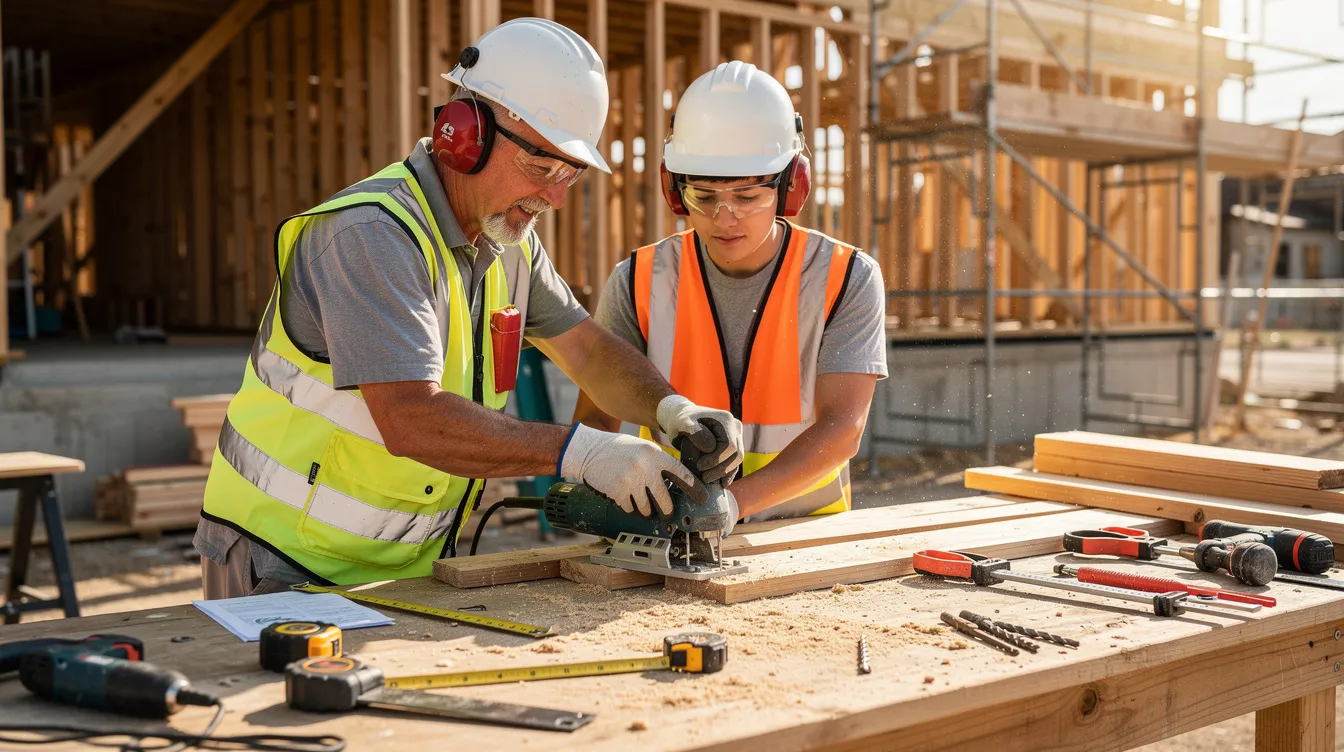
One useful way to design the program is to treat it like a short apprenticeship preview. That can include:
- Early phase: tool identification, material handling, jobsite logistics, housekeeping, and personal protective equipment discipline.
- Middle phase: supervised participation in basic field tasks, observation of layout or rough-in work, and exposure to crew communication.
- Later phase: limited exposure to planning meetings, quality walk-throughs, or simple document review so the intern sees how field execution connects to project systems.
This does two things. First, it gives the intern a more honest picture of what construction work actually feels like. Second, it gives the employer a better basis for deciding whether to move forward. That is far more useful than an observation-only internship where the candidate never faces normal expectations around attendance, communication, safety, or follow-through.
ABC South Texas says its programs are fully approved by both the State of Texas and the U.S. Department of Labor. On its education and training page, the chapter also says apprentices can choose from five trades and gain paid, hands-on experience from day one. That makes apprenticeship a logical next step for contractors who want internship programs to lead somewhere concrete.
What Supervisors Should Evaluate During the Internship
The value of construction internship programs comes from what they reveal. Contractors do not need every intern to become a hire. They need a repeatable way to identify who is worth developing further.
Useful evaluation categories include:
- Reliability: punctuality, attendance, and consistency across multiple days or sites.
- Safety mindset: response to coaching, PPE discipline, and respect for procedures.
- Coachability: willingness to listen, ask questions, and apply feedback.
- Physical and environmental fit: ability to function in field conditions, including heat and active jobsites.
- Team behavior: professionalism, communication, and respect for crew structure.
- Trade interest: signs that the intern is genuinely motivated by a specific craft or construction role.
A one-page scorecard is often enough. The point is not perfect measurement. It is replacing vague impressions with a documented recommendation.
This is also where veteran candidates can stand out. Many bring experience with chain of command, procedures, accountability, and mission-oriented teamwork. But the same evaluation standard should still apply. A strong internship process should test fit rather than rely on assumptions about any one background.
Why Veterans Belong in the Internship Conversation
Veterans are a relevant audience for construction internship programs because structured transition pathways already exist. But the practical value comes from building a bridge, not from making broad promises.
Registered apprenticeship is one of the clearest bridges available. The U.S. Department of Labor says eligible veterans in registered apprenticeships can use GI Bill benefits, and the U.S. Department of Veterans Affairs explains that eligible participants in approved apprenticeship and on-the-job training programs may receive monthly payments for living expenses, and Post-9/11 GI Bill users may also be eligible for money for books and supplies.
For contractors, that means an internship can serve as a lower-risk first step. It lets a veteran or separating service member experience the company, the crew, and the trade before committing to something longer. If the fit is strong, the employer has a much cleaner handoff into apprenticeship.
Separating service members may also participate in SkillBridge opportunities during the last 180 days of service, which is another reason contractors should think carefully about internship design rather than treating it casually. A poorly structured internship wastes a real transition window. A disciplined one can become the front end of a long-term workforce pipeline.
How ABC South Texas Can Fit Into the Handoff
ABC South Texas is most useful in this article as infrastructure, not as a generic mention. The chapter’s education and training page says apprentices can choose from five in-demand trades: carpentry, sheet metal, electrical, pipefitting, and plumbing. The same page says eligible apprentices may receive Post-9/11 GI Bill support and outlines applicant requirements such as age, education, identification, and orientation steps.
That matters because a contractor does not need to invent the entire pathway alone. If the internship is doing its job, the company should be able to identify which candidates are ready for a more formal next step and then connect them to the right training channel.
For some firms, that means building the handoff directly into the internship plan from the start. For example:
- Tell interns up front that the program is designed to evaluate readiness for employment or apprenticeship.
- Use one mentor or supervisor as the owner of weekly feedback.
- Complete a final review before the internship ends.
- For strong candidates, make a warm introduction to the relevant apprenticeship contact or internal company sponsor.
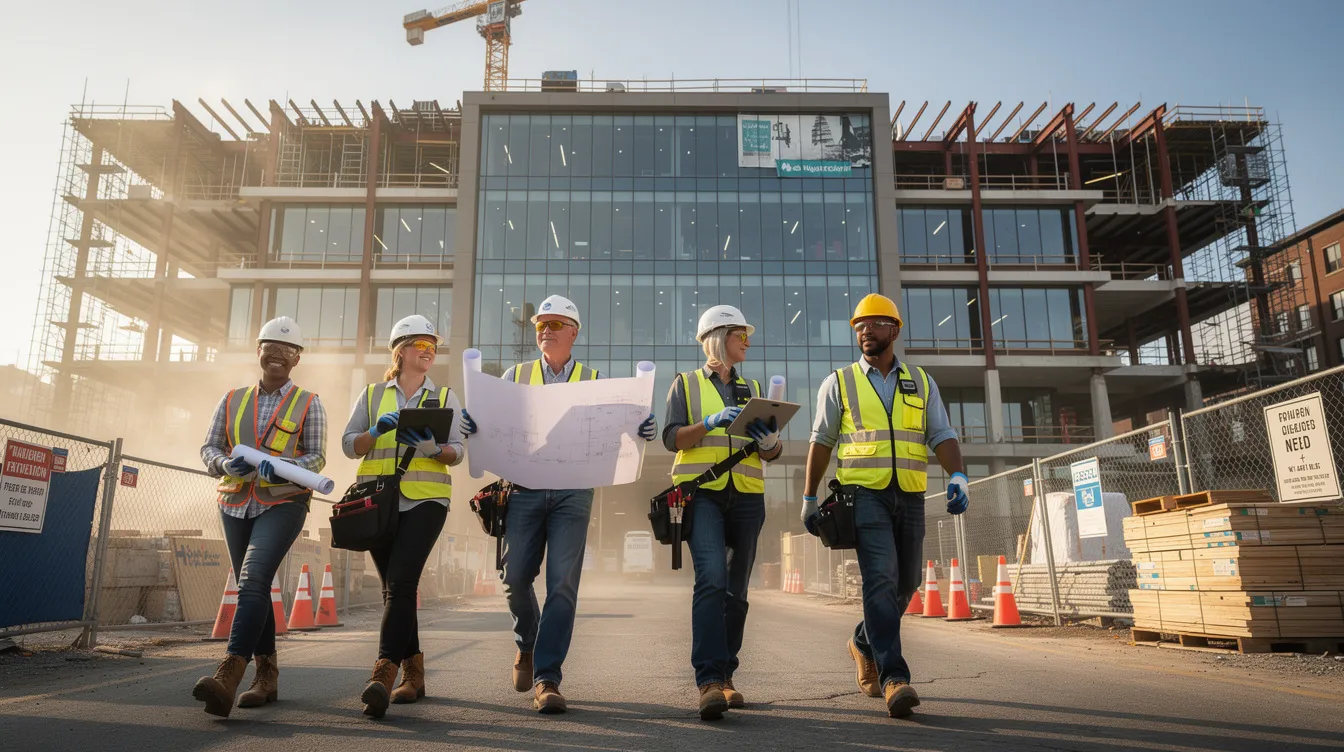
That kind of handoff is what turns construction internship programs into pipeline tools rather than one-off recruiting events.
Common Internship Design Mistakes Contractors Should Avoid
Many internship programs fail for predictable reasons. The problems are usually not dramatic. They are operational.
Watch for these common mistakes:
- No defined outcome. If no one knows whether the goal is recruiting, exposure, apprenticeship screening, or school partnership visibility, the program will drift.
- Overly vague job duties. “General help” does not tell an intern or a supervisor what the experience is for.
- No assigned mentor. Without ownership, feedback becomes inconsistent, and the intern spends too much time floating.
- Safety is treated differently for interns. The internship should reflect the company’s real expectations, not a watered-down version.
- No documented decision at the end. If the experience ends with “stay in touch,” the company has probably wasted part of the investment.
These mistakes matter more in construction than in some office settings because the work environment is fast, physical, and team-dependent. An intern who isn’t integrated into real expectations isn’t learning enough for the company to make a confident next-step decision.
What To Measure if You Want the Program To Improve
Review construction internship programs like any other workforce system. A contractor does not need a complicated dashboard, but a few simple measures can show whether the program is producing value.
Track items such as:
- Number of interns hosted by source, such as school, veteran transition channel, or other referral source.
- Percentage who complete the full internship.
- Percentage recommended for hire, rehire, or apprenticeship consideration.
- Percentage who actually enter employment or apprenticeship.
- First-year retention of former interns compared with other new hires.
- Supervisor feedback on whether the program improved recruiting confidence or consumed time without enough return.
These measures help a contractor decide whether to expand, tighten, or redesign the internship. They also force the company to think beyond whether interns enjoyed the experience. The more important question is whether the business built future capacity.
First Steps for South Texas Contractors
If your company already runs internships, the fastest improvement is to tighten the design rather than starting over. If your company has never hosted interns, start with a small pilot and build from there.
A practical first move looks like this:
- Choose the purpose. Decide whether your internship is mainly for apprenticeship screening, broader recruiting, or exposure to one specific trade.
- Create a one-page structure. Define the supervisor, mentor, schedule, learning exposure, and evaluation categories.
- Identify the next step before day one. Know what happens if the intern succeeds.
- Use existing training infrastructure. If apprenticeship is the intended path, connect early with ABC South Texas education and training resources so the internship is aligned with a real workforce outcome.
The source topic behind this article is not veteran recruiting alone and not apprenticeship alone. It’s about building better construction internship programs. For South Texas contractors, the most useful answer is straightforward: build internships that test fit, document performance, and connect strong candidates to the next stage of development.
If you want your internship program to do more than create temporary exposure, review your current structure and connect it to the apprenticeship and training options available through ABC South Texas.
Frequently Asked Questions
Below are answers to common questions about this topic.
How long should a construction internship last?
There is no single required length. A contractor should choose a duration that gives supervisors enough time to observe reliability, safety habits, coachability, and trade interest. The important issue is not the exact number of weeks; it is whether the program is long enough to support a real hiring or apprenticeship decision.
Do construction internship programs need to lead to apprenticeship?
No. Some internships are best used for broader career exposure, estimating support, safety observation, or college-related project experience. But if the intern is exploring craft work, a defined apprenticeship pathway often gives the program a clearer workforce outcome.
How do veterans fit into construction internship programs?
Veterans and separating service members can be strong candidates for structured internships because they may already be comfortable with discipline, accountability, and team-based work. Some may also be eligible for transition resources or GI Bill-supported apprenticeship options if they move into an approved program.
What should happen at the end of the internship?
There should be a documented review, a recommendation decision, and a defined next step. That might be a job offer, an apprenticeship referral, a future re-engagement plan, or a decision that the person is not yet ready.
Can smaller contractors run effective internship programs?
Yes. A smaller contractor does not need a large HR department to run a disciplined program. A simple plan, one accountable supervisor, one mentor, and a formal end-of-program review can make a small internship much more useful.


